2030 cities on a visit to Belgium

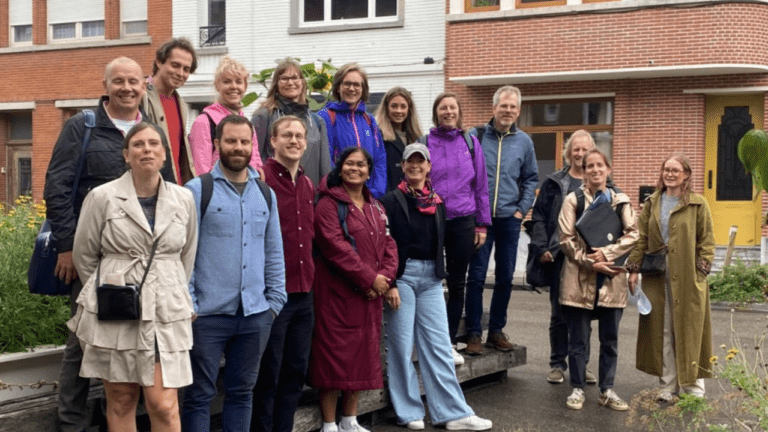
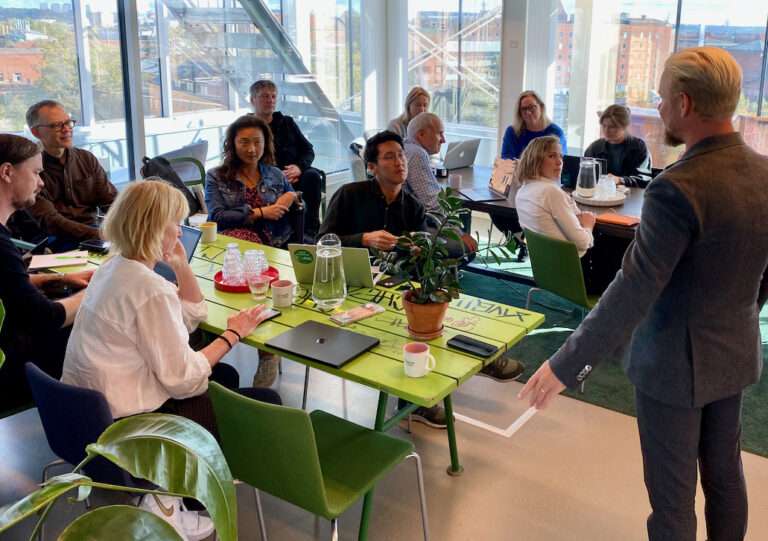
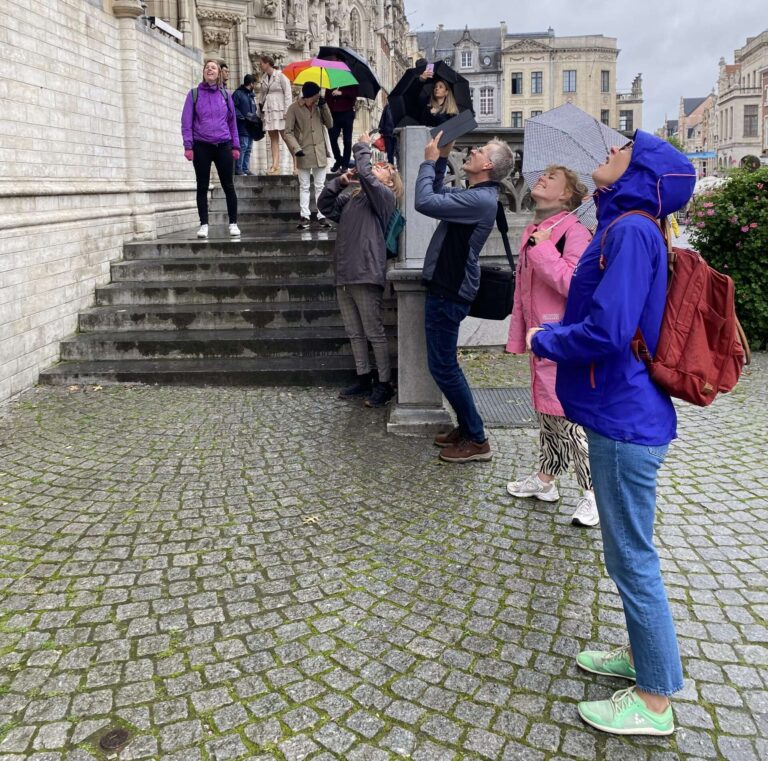
The development of climate investment plans received a boost when a delegation of Swedish cities made a study visit to Belgium in mid-September.
The development of climate investment plans received a boost when a delegation of Swedish cities made a study visit to Belgium in mid-September.

Linköping tells us, among other things, about the climate investment plan for transport they developed together with Linköping University, how they developed a model for category management and worked on an environmental commuting analysis, that they allocated funds for test bed checks and launched a smart map where you can rent, share, exchange, borrow, repair and buy reused. Read also about the five priority areas Linköping is focusing on and the initiatives, networks and project groups that are bubbling with commitment!

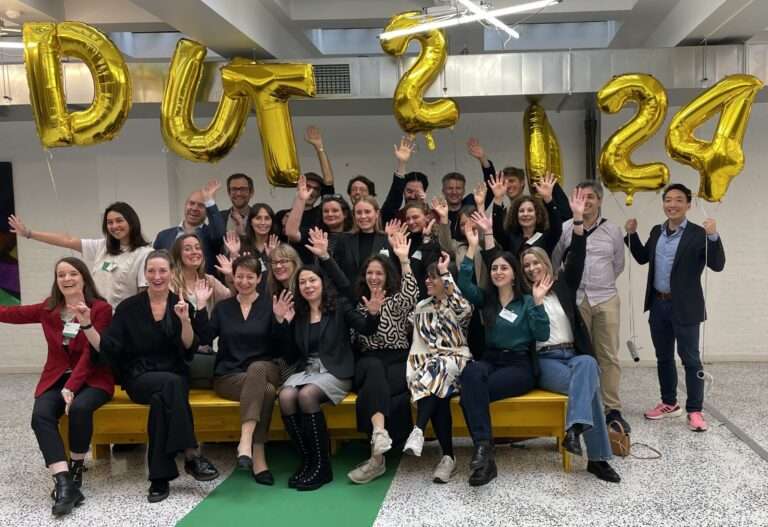
DUT Call 2024 is now open, the third call of the Driving Urban Transitions (DUT) Partnership. The aim of the call is to support transnational research and/or innovation projects that address urban challenges to help cities in their transition to a more sustainable society. In the context of the call, all stakeholders can sign up to the matchmaking platform, and information meetings are held both at Swedish and European level.

Malmö says it will become climate neutral by 2030 and is one of the European Commission's selected pioneer cities to lead the transition. At the heart of Malmö's approach is a new horizontal approach - Climate Transition Malmö - focusing on joint roadmaps in seven priority areas, where strong action can have a big impact for Malmö and the planet. Local work for a global mission!

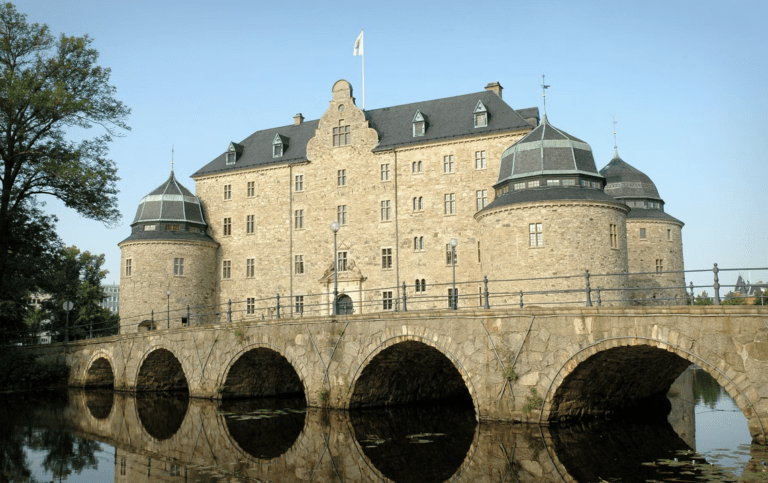
In Örebro, the municipal council recently adopted the Örebro municipal climate strategy after revision during the year. The targets in each of the six focus areas in the strategy are aimed at the municipal group, but the efforts relate to both the municipal group and the geographical area. The municipality has also set specific goals that they are working on together with other actors and the focus going forward is to implement the climate strategy's new working methods and implement prioritized activities.

The fourteen Swedish and Spanish cities among 112 European Cities Mission cities have created a joint declaration for the EU Cities Mission - Development Declaration for the Cities Mission: Upscaling the EU Cities Mission - European cities and platforms joining hands. The aim is to strengthen and develop the work of the Mission, accelerate the pace of the transition and support cities in their important work towards climate neutrality by 2030.

Karlstad is working on a broad front for the climate transition, from student councils and collaboration to climate investment plans and ambitious targets. Charlotte Wedberg and Henric Barkman, process managers for Climate Neutral Karlstad 2030, talk about the transition work in the city, which is both broad and ambitious.

In the midst of a burning climate crisis, the Swedish government is presenting a climate action plan that falls far short of what is needed to limit global warming to 1.5 degrees - the target agreed by world leaders in Paris in 2015. The Swedish government should do more to support the climate transition in the country's municipalities and support leading Swedish cities and municipalities.

The City of Stockholm and the Municipality of Lund are mobilizing actors in an innovative initiative to accelerate the transition to climate-neutral cities. The cities are placing particular focus on transport and mobility. They are each receiving SEK 20 million from the Swedish Energy Agency and Vinnova under the Viable Cities innovation program.

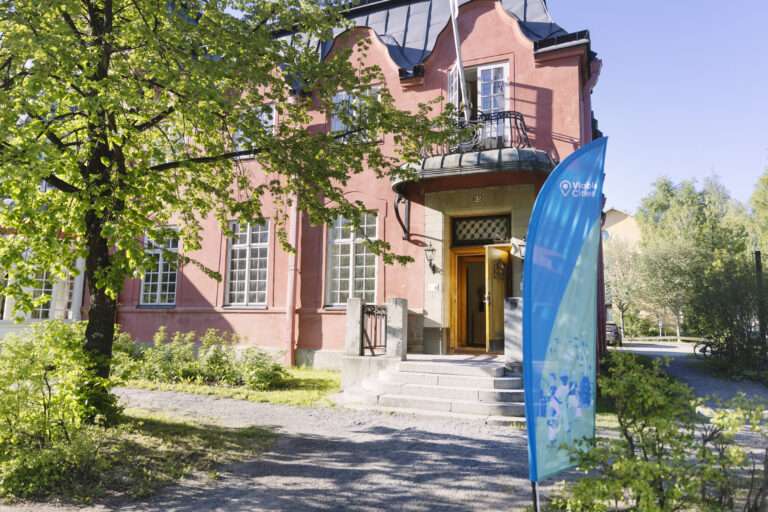
Already ten years ago, the journey towards the strategic innovation program Viable Cities began. To further accelerate the transition and strengthen Viable Cities' presence across Sweden, Viable Cities' new office and meeting place in Umeå was inaugurated this week.

The EU Cities Mission to deliver 100 climate-neutral and smart cities by 2030 include seven Swedish cities; Gothenburg, Gävle, Helsingborg, Lund, Malmö, Stockholm and Umeå. The seven Swedish Mission Cities have formed a joint Development Statement, which solidifies the Swedish cities' support of the visions of the Spanish Mission Cities, as well as stresses the need for a common strategy on "scaling as the new normal" when working towards climate neutral and sustainable cities. The statement was presented at the 1st Swedish Cities Mission Forum in Umeå, Sweden, on May 29th 2024.

Last week, Viable Cities chief storyteller, Per Grankvist, attended the Demo North Conference where 250 decision-makers gathered to talk about how to attract 100,000 people to Norrland, and he gave a keynote address. In his address, Per emphasized the need to put quality of life at the centre of every story in order to succeed in attracting 100 000 people. Read the full keynote here.

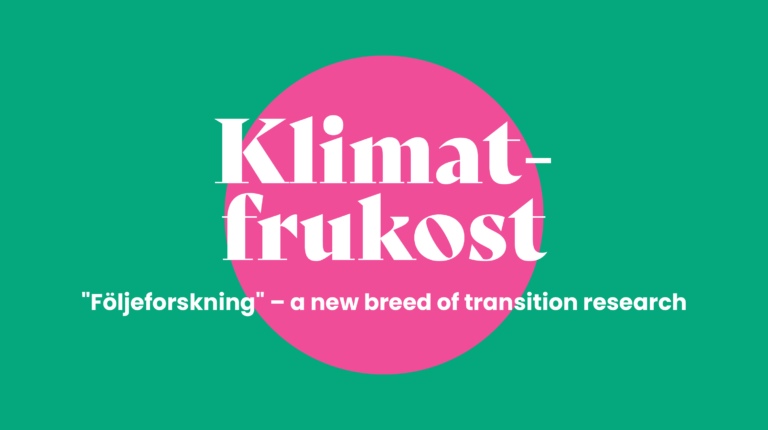
In Sweden, several researchers have worked closely together with cities and national innovation actors to support them in steering sustainability transitions by contributing to learning from practice, increased reflexivity and helping to identify evidence about system change. This role got the name of 'följeforskare' (literal translation from Swedish is 'following' or 'companion' researcher). Together we will explore what makes "följeforskning" special in terms of benefits and challenges, why it is especially relevant in accelerating the transition to climate neutral cities, and what role it can play for both cities and national support platforms.

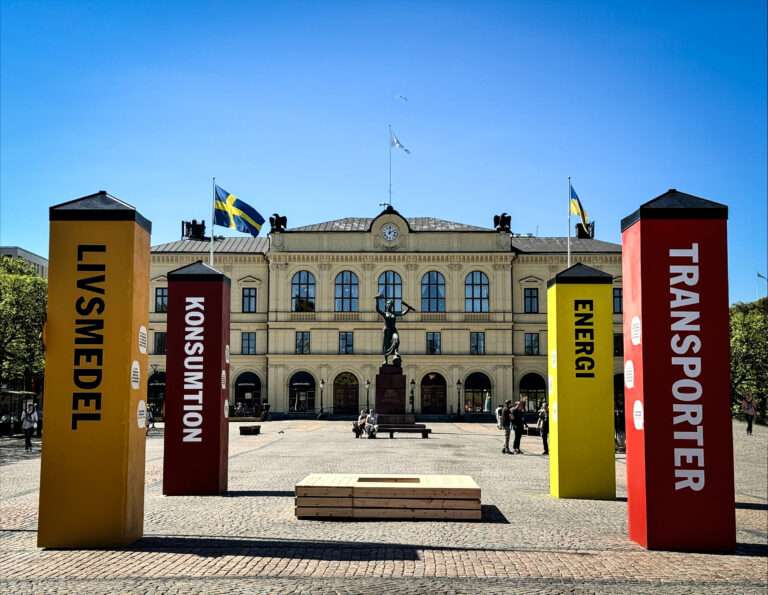
Stacks are appearing all around Karlstad - on benches, on stairs and not least on Stora torget, where they are four meters high! The bars represent Karlstad residents' climate emissions in the areas of consumption, transportation, food and energy. The bars will reappear every year until 2030 with new updated information on climate emissions.

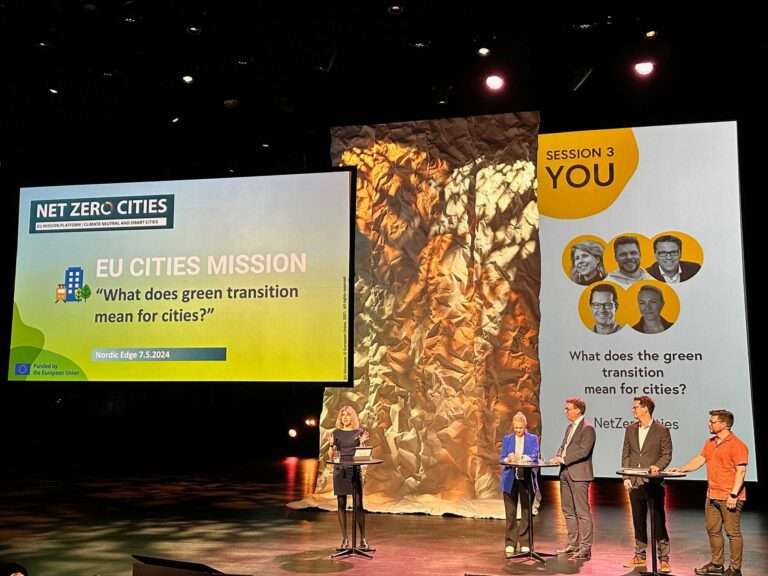
The mobilization around the Mission on Climate Neutral Cities is a movement across Europe. This week, Viable Cities has participated in talks and workshops in connection with the Nordic Edge Expo in Stavanger and contributed with perspectives on Multilevel Governance and co-benifits in the transition, exemplified by ROI calculations on the climate transition.

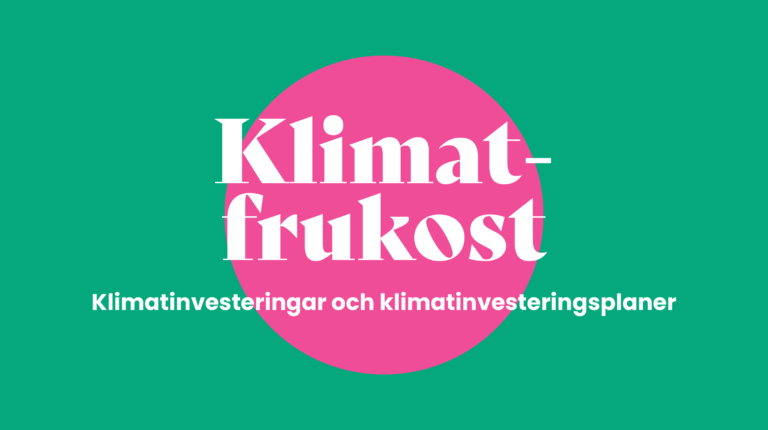
Climate transition investments can create both business opportunities and a more sustainable city. Research shows that climate investments can generate significant benefits, both direct economic gains and added value such as jobs, cleaner air and better health. During this Climate Breakfast, we dive into what it means to make climate investments and how climate investment plans take shape.

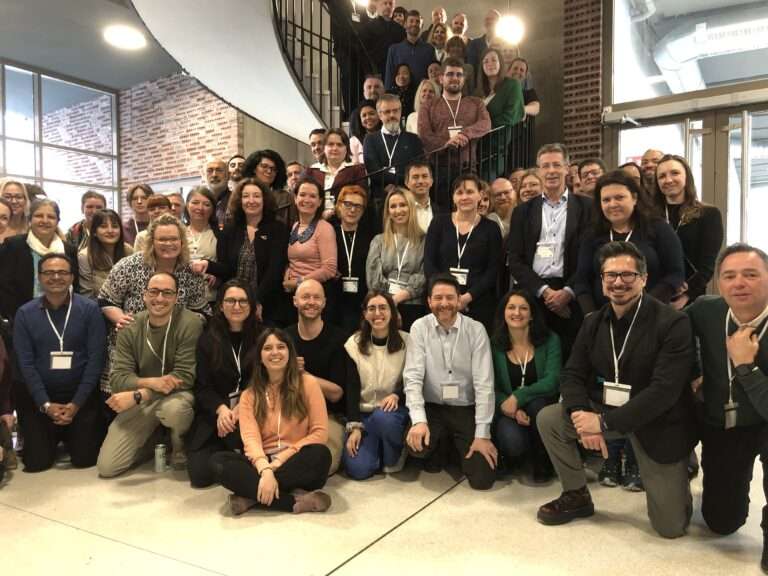
The room was full of warmth and energy during the Stockholm Spring School on April 24-26. This was appreciated by the participants, as the city did not show its most welcoming weather to the representatives from cities all over Europe. People from around 25 of the 112 mission cities in Europe were present at the NetZeroCities Spring School, organized by Politecnico di Milano (Polimi) and Universidad Politécnica de Madrid (UPM), in Stockholm. Previous editions of the Seasonal School have taken place in Spain, Italy and Hungary.

New sustainable energy solutions have so far been largely limited to pilot projects focusing on specific technologies, organizational solutions or business models. How do we ensure that successful projects don't stop there - that good solutions are scaled up and spread? This is what the research project "Beyond Pilot Projects" will explore.

On March 6, 2024, we opened a call that gives several Swedish cities the opportunity to increase the pace of transition and show the way for others in Climate Neutral Cities 2030 3.0. During this Climate Breakfast, we talked about the international aspect of Climate Neutral Cities 2030 and what role internationalization plays in the local transition work.

A prosperous municipality with growing pains. This is the socio-economic situation in Kalmar. This conclusion can be drawn from an analysis of the recently developed Social Compass for Kalmar. The focus is on the inhabitants - and their characteristics and conditions linked to where they live in the municipality. How many people go to work? How much do they earn? What percentage are born outside the EU and where do pensioners and families with children live?

Viable Cities is on site in Brussels for the Driving Urban Transitions (DUT) partnership policy conference as well as the kickoff for the first 48 projects covering the transition pathways 15-minute Cities (15mC), Positive Energy Districts (PED) and Circular Urban Economies (CUE).

Viable Cities is, together with Sweden-US Green Transition Initiative and partners, exploring collaboration between Sweden, the European Union, and the United States, towards climate-neutral and smart cities globally.

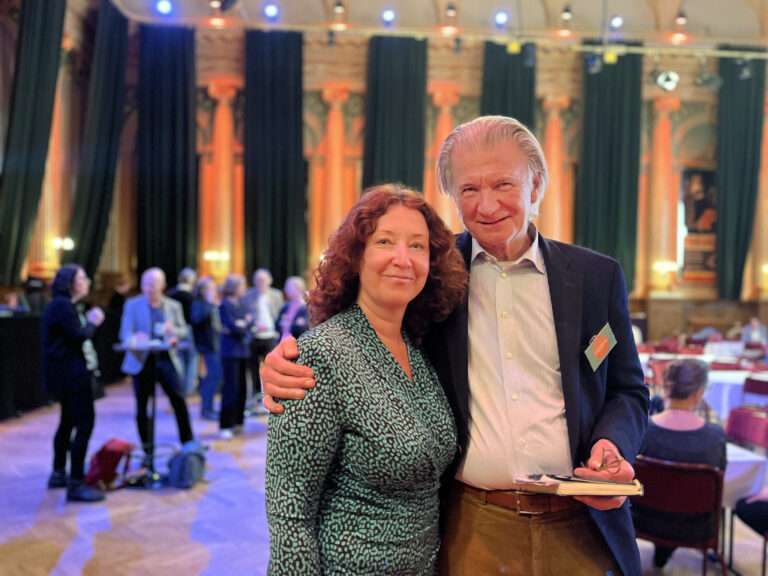
Today, Aktuell hållbarhet released the list of Sweden's 100 most sustainable cities. Viable Cities climbs up the list. Program manager Olga Kordas is now in place 18 (last year 38) and our vice Chairman Anders Wijkman is in place 8 (18).

Just transition means greening the economy in a way that is as fair and inclusive as possible for all concerned, creating decent work opportunities and leaving no one behind. It means meeting climate targets by ensuring that all of society - all communities, all workers, all social groups - are involved in the climate transition.

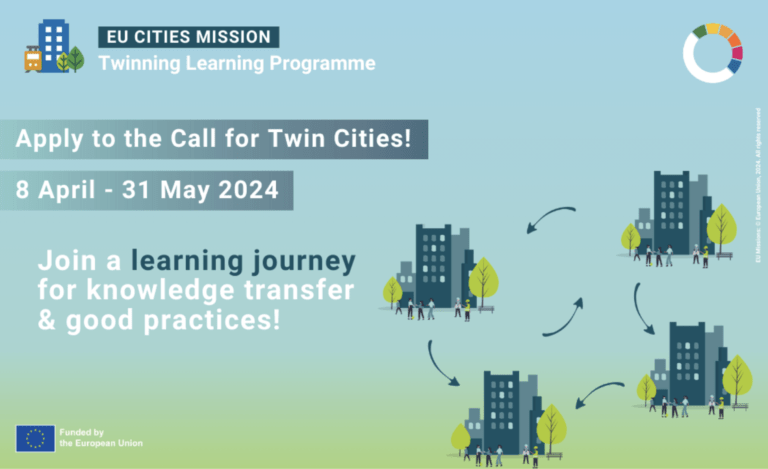
As of 8 April, cities across the EU and countries associated with Horizon Europe are invited to apply to join the EU Cities Mission's exchange and accelerate climate change program. The call is open to cities that are not currently part of the EU Cities Mission or the Twinning and Pilot Cities programs. Selected cities will have the opportunity to partner with pilot cities from Cohort 2, to facilitate sharing and knowledge exchange during the transition to climate neutrality.

Many higher education institutions are already actively contributing to climate transition of cities, but an acceleration is needed! This applies not least to working with students as agents of change as part of both education and research. Here the cities can contribute with relevant questions, recommendations and test environments. How is your institution doing? Use the checklist!

A ketchup effect that goes on a bit in secret. This is how one could describe what is currently happening in local energy landscapes around Sweden and the rest of Europe. Energy communities are here to stay and their potential is great. The question is what the role of municipalities will be in the future.

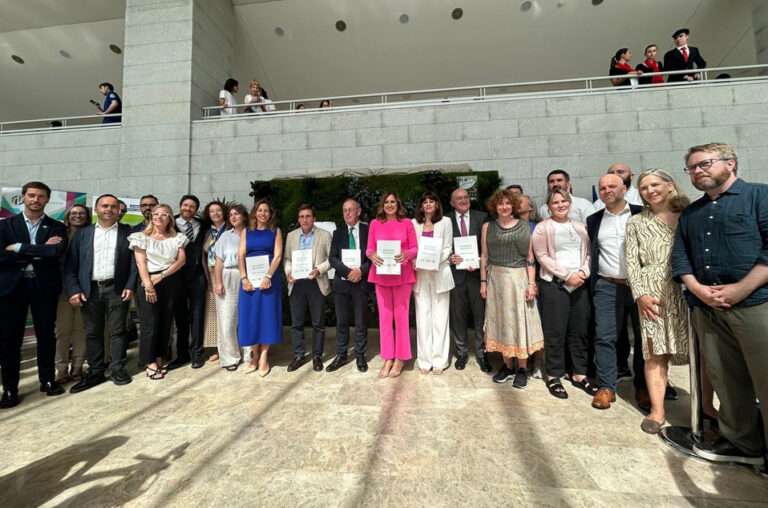
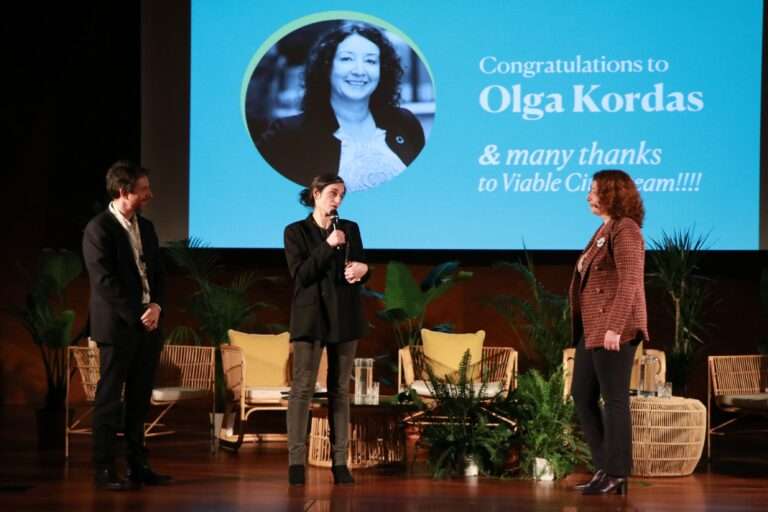
An inspiration, partner and best ally. Last week, CitiES2030, a Spanish sibling to Viable Cities, awarded Olga Kordas a formal prize for the work of Viable Cities as a pioneer and inspiration for building the national platform for Spanish cities to become climate neutral. The ceremony was held in the City Hall of Madrid during an event bringing together the Spanish mission cities, representatives of the Spanish government, industry, academia, civil society and public sector.

"Today we open the third call for proposals within the Climate Neutral Cities 2030 initiative.
- This call is an important step in our continued mobilization of Swedish cities to become climate neutral and sustainable by 2030, says Olga Kordas, Program Manager Viable Cities.

Several of the cities in the Climate Neutral Cities 2030 initiative are actively working with events and organizers, exploring how they can work together towards climate neutrality. During this Climate Breakfast, we will explore how events can be engines for the transition to climate neutrality through organizers, visitors and other stakeholders, and how they can be part of the development of climate neutral cities and communities.

Almost all cities involved in the Viable Cities program Climate Neutral Cities 2030 have a higher education institution. They provide highly relevant research and education at different levels. But in what other ways do they contribute to the climate transition and what could they do more of? During this climate breakfast, we explore how higher education institutions can accelerate their contribution to the climate transition, including through collaboration in new ways.

It is now clear which consortia will be granted funds within Impact Innovation: Net Zero Industry Programme, Water for Vital Environments, Metals&Minerals, SustainGov and Shift2Access. For Viable Cities, the initiative means that we now have many more colleagues in Sweden.

The door will soon open for more Swedish cities to mobilize for the mission of climate-neutral cities by 2030. In March, Viable Cities will open a new call to further accelerate the local transition journey and scale up the transition.

By combining behavioral research and fictional storytelling techniques, we are developing a model for engaging storytelling, the first version of which will be completed before the end of the year. At regular intervals, Per writes about his reflections on storytelling as a tool, based on what is being done, meetings that happen and ideas from people and projects that are inspired.

Viable Cities was the first in the EU as a national node for the urban climate transition. For some time now, we have had cousins in Spain, CitiES2030, and in Ukraine, UniCities. Now Romania is joining forces with the M100 node, initially with three cities, which will quickly become 13.

Gävle, Helsingborg, Lund and Stockholm have today received EU funding to further accelerate the transition to climate-neutral cities as pilot cities. In the first round, Malmö, Umeå and Uppsala were awarded grants.

If you have experience in running externally funded projects in a municipality, you know how difficult it is to get an overview of other ongoing projects. An overview that would facilitate coordination, learning and scaling up. We government agencies who also sign Viable Cities Climate City Contract 2030 are now trying to find a solution to this.

The Hammarby Sjöstad district in Stockholm aims to halve its climate impact by 2030 through a citizen-driven process developed by Sharing Cities Sweden in Stockholm, in collaboration with local stakeholders. But what must Sjöstaden's citizens and entrepreneurs do to realize this goal? Here, Örjan Svane, Professor Emeritus KTH, continues to discuss this.

The City of Malmö aims to be climate neutral by 2030 and here we identified opportunities to create large biogenic carbon sinks to compensate for the emissions that cannot be avoided. The biggest impact would be a shift to renewable building materials when meeting the need for new construction. The second largest area for rapid and highly persistent carbon sinks is the large-scale use of biochar in the municipality's agriculture.

With seven years left to achieve the mission of climate-neutral cities by 2030, radical implementation is required. In 23 Swedish pioneering cities, many efforts are currently underway to contribute to the transition in various ways. The European Viable Cities Day on 8 December celebrated successes to date and sharpened future climate action.

The municipality of Linköping yesterday won the EU's iCapital Awards. This is the first time a Swedish city has won the award. The award is given to EU cities that solve societal and sustainability challenges through innovation in an exemplary way.

In a concrete and simple way, Örjan Svane, professor emeritus at KTH Royal Institute of Technology, describes the gap between efforts and climate targets and what can be done to bridge it. His starting point is the transition work in Hammarby sjöstad, Stockholm, run by the local association ElectriCITY. The text was first published on the Viable Cities blog in May 2021.

When the government official opened the question and answer session, the atmosphere became aggressive and hostile. He had just moderated a panel discussion between representatives of political parties on the topic of norm shifts and racism. People in the audience hurled accusations of bias and surreptitious activism at the moderator. He stepped in and replied: I have not taken sides, I am just delivering facts!

Drained wetlands will be rewetted to reduce carbon emissions from peat soils. Intercropping and new cultivation methods will increase the amount of carbon in agricultural land. These are two projects run by Kristianstad Municipality to reduce its climate impact.
In connection with the world's largest conference for smart cities, Smart City Expo in Barcelona on November 7-9, the Urban Twin Transition Center is launched. In close cooperation with the Swedish Internet Foundation, Viable Cities, the University of Gothenburg and RISE, the initiative will help Swedish cities to become climate neutral.

Citizen engagement, climate investments and regional collaboration have a big impact on reducing emissions, but it needs to be faster. Now 15 initiatives across Sweden are receiving funding to explore how this can be done in a shorter timeframe.

To really speed up the climate transition, many people need to understand, be engaged and be able to contribute. Lund University, in collaboration with Viable Cities, has now launched a Massive Online Open Course, MOOC: Cities, Climate and Change: Pathways and Opportunities.

In September, 40 so-called twin cities were selected for the NetZeroCities twin cities program - a new program within the framework of the EU's mission on climate neutral cities. Lund and Luleå are the two Swedish cities that have been selected and matched with pilot cities.

Competitive businesses in climate-neutral cities - how do we accelerate collaboration between municipalities andbusiness? The role of businesses in the climate transition has become increasingly high on the agenda in Sweden and internationally. Viable Cities is therefore investing in the Climate Competitiveness initiative in 2023 to accelerate collaboration between municipalitiesbusiness to both strengthen companies and achieve the mission.

Today, the City of Stockholm was one of ten European cities awarded the EU Mission Label for its efforts to accelerate the transition to a climate-neutral and sustainable city.