2025
New working methods for climate transition work. We are testing new working methods within the municipal group that we believe in strongly and which we hope will lead to increased collaboration within the municipal group and greater progress in the transition work. We are happy to share the experiences we have gained so far with these new working methods.
Climate monitoring. We have developed a new structure for climate monitoring with a visual report that shows both the overall picture and the emissions of different operations/companies. This is a transparent climate monitoring system that is accessible to everyone, both internally and externally. An important part of the development work has been to find a common methodology where we calculate climate emissions in the same way throughout the municipal group.
Citizens' Council. In May 2024, Sweden's third citizens' council was held in Örebro, a collaboration between Örebro Municipality and Örebro University. The evaluation of the implementation shows, among other things, that the participants in the council found the citizens' council to be productive, equitable, and well-run. Participants also reported an increase in their knowledge of both the theme and how the municipality works with issues relating to climate change, and participants showed changes in their opinions when it came to attitudes towards climate neutrality policy. However, the citizens' council did not achieve descriptive representativeness; certain interests and groups were underrepresented among the council members, while others were overrepresented. In order to create a representative composition, our conclusion is that other methods are needed to attract representatives from the groups that chose not to participate.
Reduced climate impact from meals. Örebro Municipality has been actively working to reduce the environmental and climate impact of food for many years and has achieved great success. This positive development is the result of long-term, systematic, and sustained efforts based on clear goals, strategic procurement, and strong commitment. At all levels, from politicians to all employees, purchases are made and nutritious, tasty, and, not least, climate-friendly food is proudly served.
Circular economy. Örebro Byggretur opened in autumn 2023, a circular building trade and a hub for the reuse of building materials in Örebro. Work is ongoing to continue developing the business, including digital services, increased capacity for temporary storage, and reuse inventories.
Energy transition. Within the municipal group, we have come a long way in terms of energy transition, and the municipality's property companies are at the forefront in this area. Collaboration between the companies and between the companies and the municipality has developed, which has led to, among other things, common procedures regarding standards and technology choices. The new Tamarinden residential area has come a long way in terms of using innovative technology, including energy sharing between properties, and the project has helped drive changes in legislation. Discussions are currently underway regarding the possibilities for visualizing energy flows between properties, both within Tamarinden and in other areas.
Öround. At the end of 2024, it was possible to visit the circular pop-up store Öround in central Örebro. The store offered second-hand/reused items, newly produced circular products, circular services (such as repair and sharing), and an information exhibition. In addition to store sales, lectures and workshops on the theme of circularity were also offered. Through Öround, Örebro Municipality has shown residents and visitors how we can be circular in practice and hopefully inspire more people to be part of the transition. The plan is to continue with the Öround concept in various ways in the future, for example by holding an interactive exhibition on the circular economy at community days around Örebro.
2024
Örebro highlights how they work with energy, which they believe could be particularly interesting for other municipalities to spy and apply. Contact the process leader to spy and apply.
The municipal property companies in Örebro municipality have been working on energy transition for many years and have achieved good results in efficiency and smart management. One way to go further is to collaborate on energy and energy optimization in a thoughtful way. In August 2020, a group-wide decision was therefore taken in Örebro municipality to launch a joint initiative, the innovation community. The first step is to create the conditions for sharing all types of energy applications between each other.
The next step is to further develop, test and implement a completely new way of managing energy based on a common platform. The companies, but now also the municipal organization, are reviewing their own technology with the ambition of eventually being able to share and store energy between the companies' and the municipality's properties.
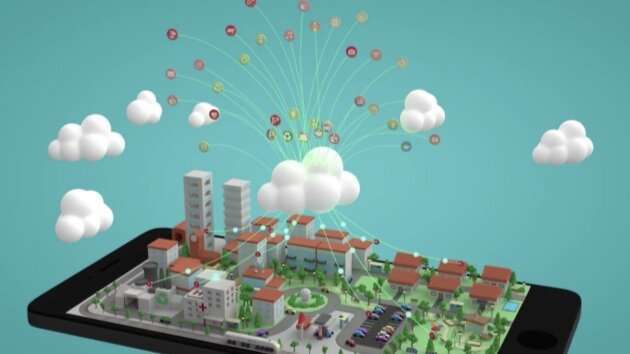
The aim is to develop the smart city concept. Together, the municipal group is harnessing the collective potential by lowering energy costs and reducing the carbon footprint of its buildings. This knowledge can then be passed on to private property owners and other actors, so that they can follow the same path. The Innovation Community is a unique initiative that contributes to achieving the municipality's climate goals.