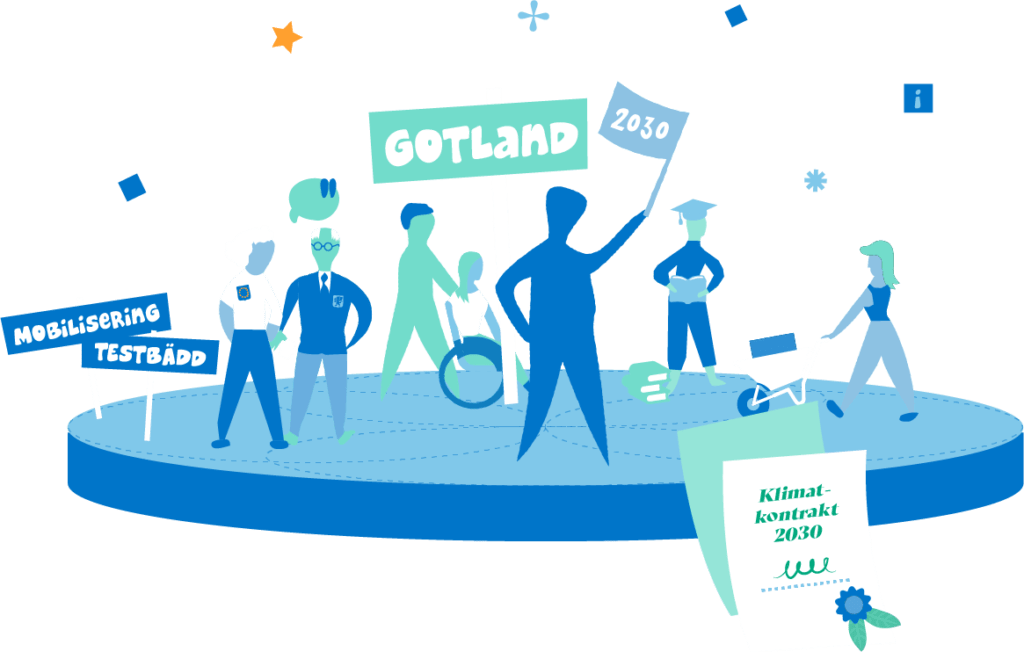
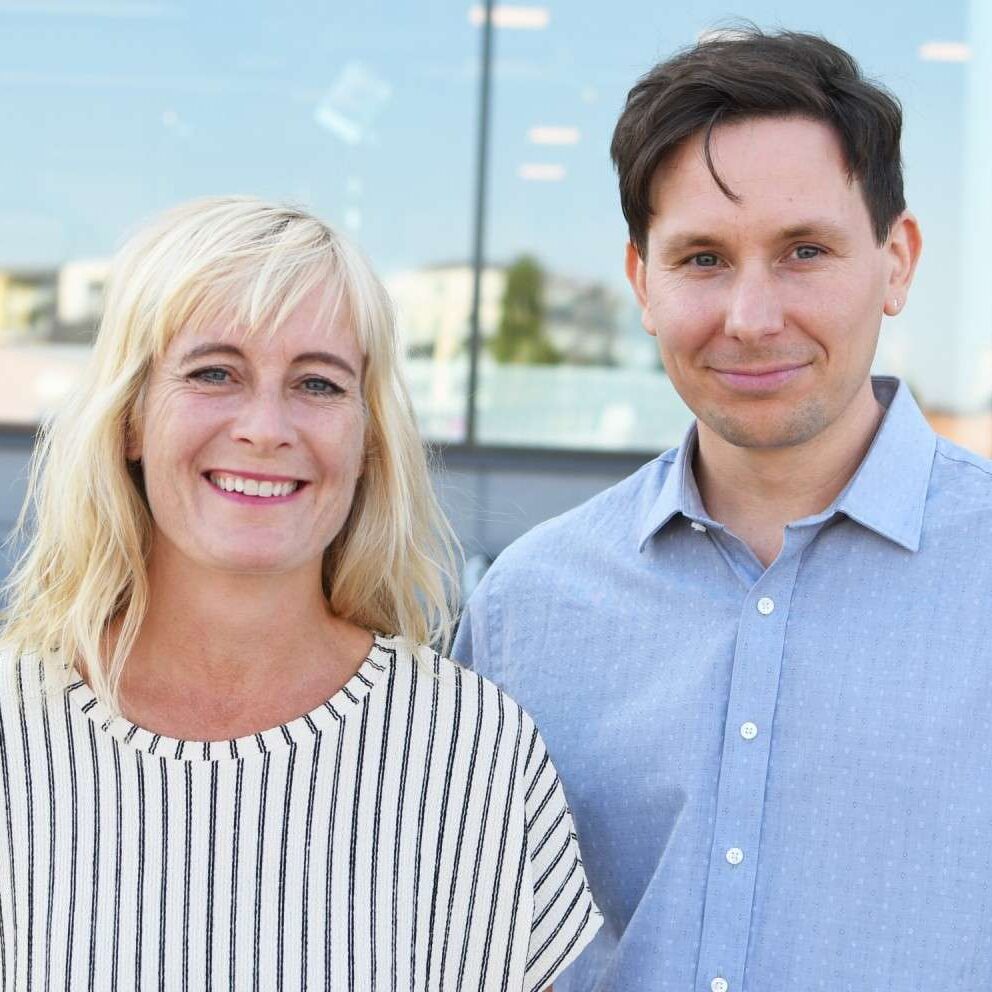
The letter of intent was signed in December 2024, and in 2025 Gotland became part of Viable Cities. We process leaders were on site at the end of March, and the first year has been a kind of journey of discovery. We have listened, mapped out the situation, and begun to build bridges between stakeholders. The goal has been clear: to find ways to collaborate and to jointly shape how we will work with the complex and necessary transition.
One of the most significant challenges we face is mobility on the island – an area where we actually have control. How do we get from point A to point B in a way that is sustainable and fair, even in the future? In Visby, where distances are short and the city has the potential to become a fifteen-minute city, there are opportunities to think in new ways. To highlight alternatives to private car use and make it easier to choose sustainable options.
During the year, we have gathered the transition team on four occasions. Each meeting has been an opportunity to share experiences, highlight good examples, and specify what is being done within each organization. It is in these meetings—in the conversations, ideas, and willingness—that the transition begins to take shape.
During Almedals Week 2025, Region Gotland, in collaboration with Viable Cities, hosted a unique and well-received gathering: aSpy and apply. At Paviljongsplan, outside the Botanical Garden in Visby, representatives from several Viable Cities municipalities gathered to draw inspiration from each other’s work and ideas. It became an opportunity to look both outward and inward—to see what others are doing and to reflect on our own journey. The picnic became more than just a meeting—it became a symbol of the open, curious, and collaborative approach that permeates Viable Cities’ mission. We now look forward to further developing the concept for the coming years. A particularly inspiring conversation was also recorded during the week, in which Olga Kordas from Viable Cities spoke with Chairman Regional Council Chairman, the Regional Director, and an opposition council member. A conversation that not only anchored Viable Cities at the highest leadership level within Region Gotland—but also served as a way to spread awareness among the general public on Gotland about the collective effort that participation in Viable Cities entails. Because it is together, with the entire island as co-creators, that we can make a real difference.
At the beginning of autumn, we held a transition arena focusing on sustainable transport. The arena was conducted within the framework of the existing forum for regional development – Forum for Growth, Climate, and Environment – and became an important opportunity to deepen the conversation about how we can work together to achieve the goals that politicians have adopted. During a workshop format, where concrete goals formed the basis for the discussion, the need for collaboration was clearly highlighted. The participants contributed perspectives, experiences, and ideas—and several exciting proposals took shape, which we will now explore further together with the transition team. As part of the arena, Maria Stenström fromthe 2030 Secretariat gave an inspiring online lecture. With her broad knowledge and commitment to sustainable mobility, the lecture was a great injection into the discussion – and a reminder that we are part of a larger movement towards a more sustainable transport system.
As we write this, we're looking forward to a big event before the end of the year: the Gotland County Administrative Board's annual Energy Dialogue conference. There, we'll share successful energy solutions from the Viable Cities network's inspiringSpy and apply—aimed at a wide audience. It will be an opportunity to both show what is possible and spark curiosity about how we can accelerate the transition together.
At the same time, work is going on behind the scenes. Right now, there's a big focus on making the work packages more concrete—moving from vision to action. By developing clear sub-goals, we are creating structure, momentum, and the conditions for real change ahead of 2026. We are also planning activities linked to Region Gotland's commitments in the first climate contract, which is soon to be signed. Particularly important are the areas of citizen engagement and climate communication, where we want to create dialogue, participation, and understanding for the journey we are on.
Together with Region Gotland's collaboration partner, Tillväxt Gotland, opportunities are being created to involve the business community in climate change. Tillväxt Gotland sees a need to highlight what is already being done and show that it works – that there are solutions and good examples here on the island. Networks and learning meetings create space for sharing experiences, testing ideas, and developing solutions together.
The goal? To make the transition concrete and manageable for entrepreneurs, regardless of where they are in the process. It's about building local engagement and showing that the transition is not something you have to do alone. Companies should be given the space to influence the transition, contribute based on their own circumstances, and see sustainability as a competitive advantage.
An important part of this is the Energy Network on Gotland – a meeting place for all companies that want to discuss energy and transition issues. Here, dialogue is created between industries and between business public organisations, with the aim of strengthening knowledge, collaboration, and local drive in the transition. Right now, the Energy Network is focusing particularly on mobility and fuels. Gotland has its own conditions for transportation, and Tillväxt Gotland brings together companies, suppliers, and actors in new fuel solutions to create a common picture of the current situation—and, above all, what it may mean for the future. All this is done so that companies on Gotland feel more secure in investing in the transition.
The regional development strategy includes a shared ambition for Gotland to be a role model in energy and climate transition. These are politically established goals that guide the work during the current term of office. A key goal is to reduce carbon dioxide emissions from its own operations by 15 percent per year until 2027. The region strives for Gotland to take the lead in the transition to a fossil-free and circular society, while working to ensure long-term sustainable water supply and preserve biodiversity. Gotland's energy system will be transformed to support a climate-neutral society with strong competitiveness in business, a robust energy supply, healthy ecosystems, and effective environmental protection. In the area of mobility, the goals are to increase the share of public transport to 10 percent of all motorized travel by 2027, and for 20 percent of all travel to be by bicycle by 2035. The region also has a goal that the proportion of decisions on regional development funds that are sustainability-assured should increase annually and reach 100 percent by 2027. In the longer term, by 2040, the goal is for Gotland to be climate neutral, have an energy system based on renewable energy, operate within sustainable cycles, and offer good accessibility and sustainable communications.