Urban Lunch-time #94

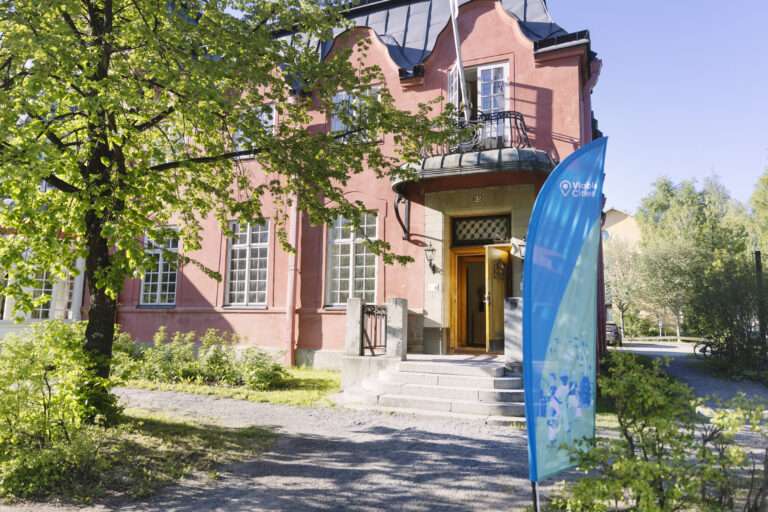
Rhösska Museum & digital

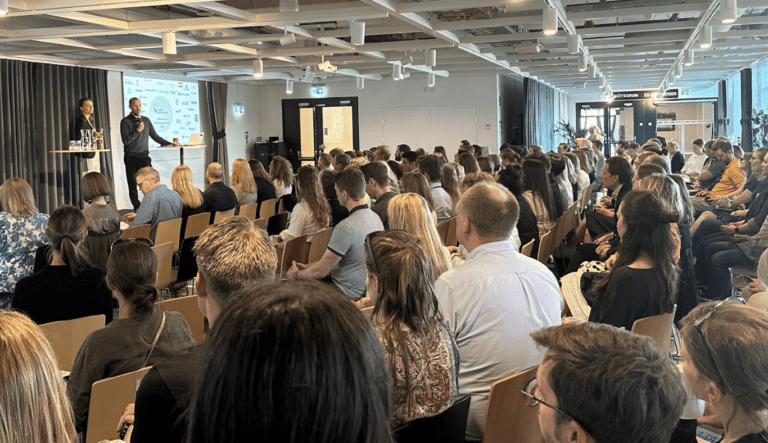
Climate transition is a complex area that cuts across sectors. What conditions are needed to increase the capacity and pace of the transition?

Urban Lunch-time #94 will present the results of a new feasibility study exploring how municipalities, with the support of other regional actors, can organize themselves to strengthen their resilience.

Transition Lab Forum 17 - Lund reports what happened

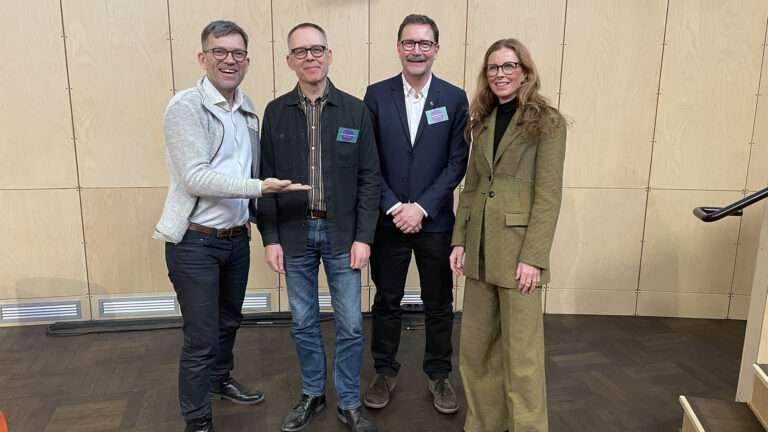
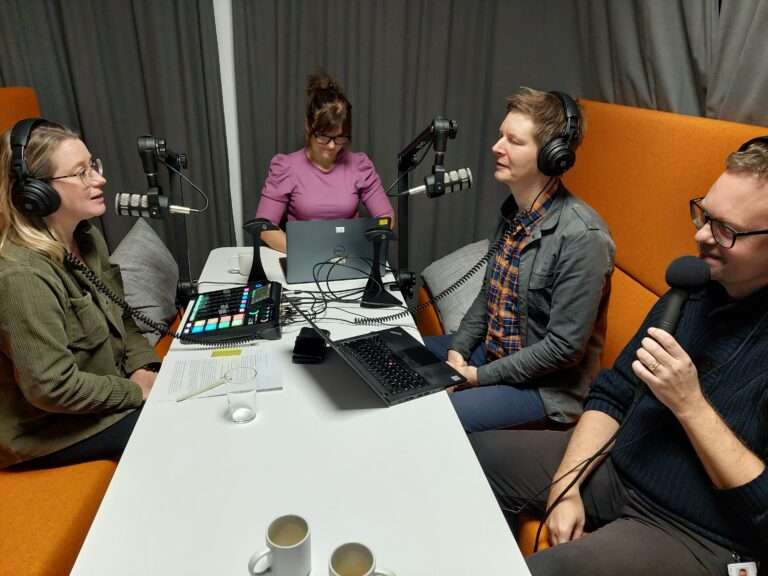
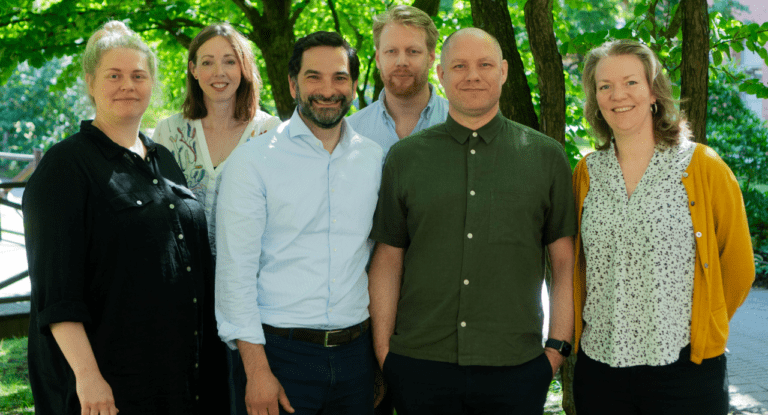
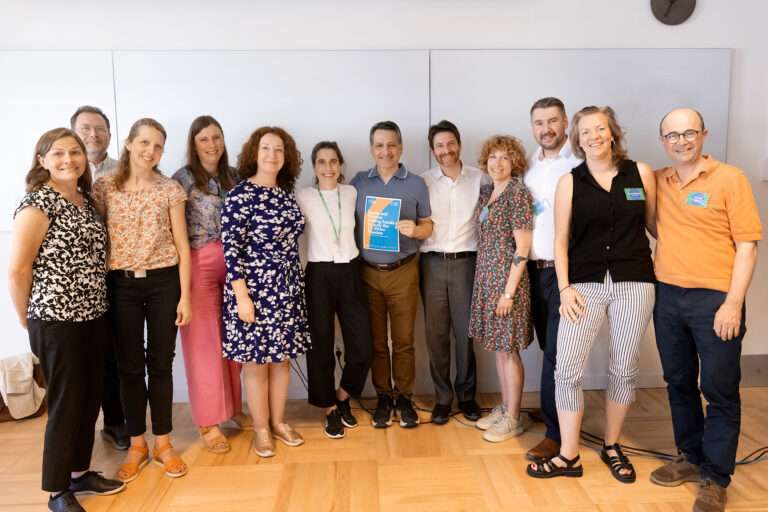
Mattias Goldman and Yasemin Arhan Modéer who run the podcast Climate for Dummies together with Jon Andersson and Markus Paulsson who visited the podcast from Lund Municipality.

On our blog, process leader Madeleine Wahlund and the team in Lund tell us about three packed days where finance experts, city process leaders and finance departments, academia and government agencies put their heads together to find new ways to collaborate, think and invest to integrate finance into the transition.

Greentopia

On August 7, Greentopia - the live music industry's annual climate summit - will be held for the fourth year in a row! Way Out West's VIP stage will host scientists, artists, music industry leaders and social commentators. We challenge and explore, dream and tremble, discuss radical futures as well as idiotic systems...

Borlänge creates commitment to the climate throughout Dalarna

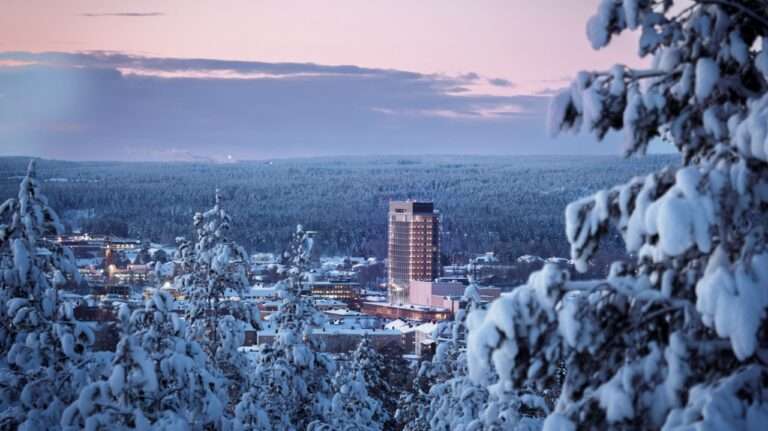
In Borlänge, car traffic is to be reduced by a fifth by 2030. The municipality's purchases of organic food are to increase to at least 80 percent and at least 30 percent of the municipality's food purchases are to be locally produced by the same year. Already today, 54 actors have signed a local Climate City Contract in Borlänge and even more are on the way. Borlänge municipality tells us about this and much more in the State of 2030 cities on Linkedin.

Östersund: Climate work synonymous with improved quality of life for all

With a strong connection to the region's natural resources, local business and research, Östersund strives for long-term sustainable solutions. They want to create a society where efficient energy use, circular economy and sustainable transportation are obvious choices for residents and businesses. Choices that may initially be uncomfortable and unfamiliar, but which in the long run will generate a better and more beautiful Östersund.  

With electric vehicles, million-dollar climate programs and a strong transition arena - this is how Kalmar works

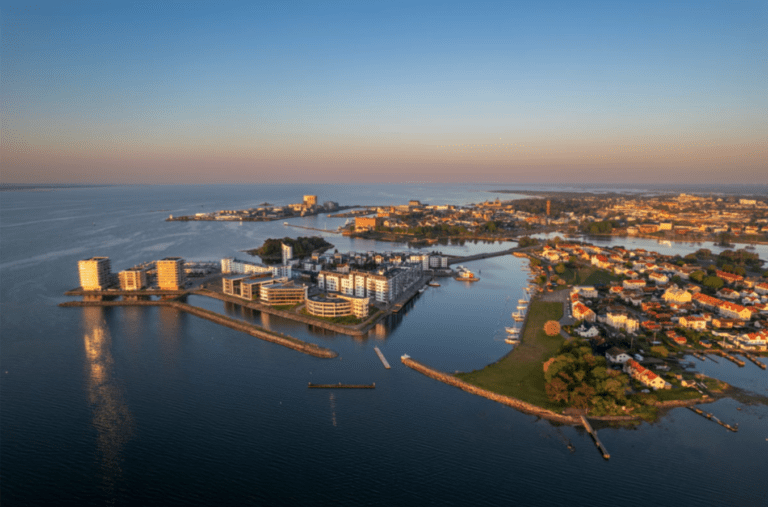
In the picture: Kalmar in the sun

Kalmar municipality's long-term goal is to become one of Sweden's best municipalities in ecological sustainability, climate transition and climate adaptation! How do we achieve this? Well, among other things, 60% of all journeys will be made by bicycle, walking and public transport by 2035 and a new purchasing and procurement policy will be developed with stricter requirements for fossil-free transport, construction and contracting projects and circular economy. In addition, an increased share of electricity will be both locally produced and renewable with the goal of becoming self-sufficient by 2035. Kalmar municipality is sharing this and much more as part of the State of 2030 Cities. 

Eskilstuna makes Climate Revolution and reuses materials

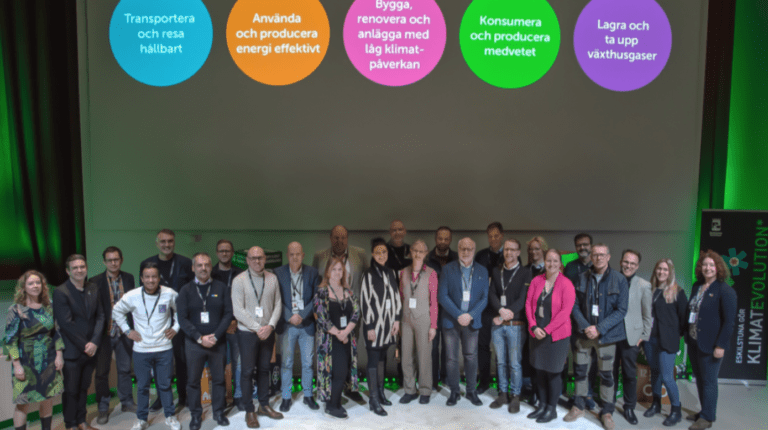
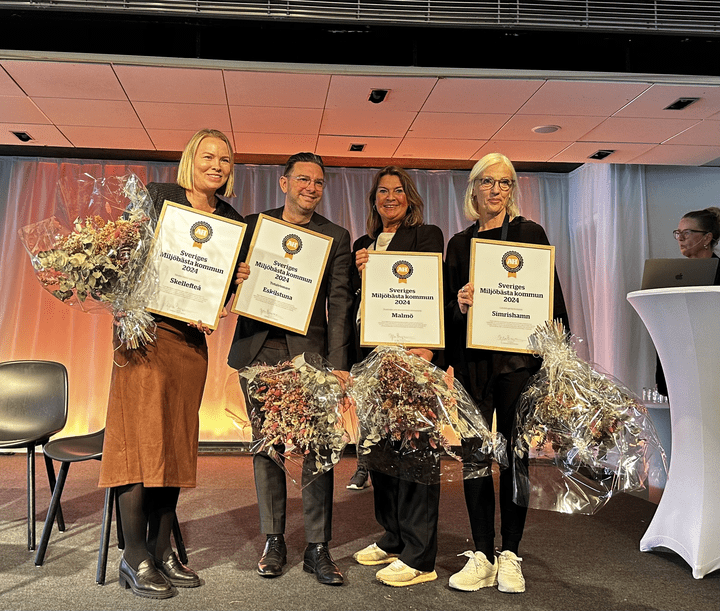
In the picture: Eskilstuna makes Climate Commitments 2024 (Climate Evolution*).

Eskilstuna is working on collaboration, recycling, logistics, citizen engagement and much more - they are doing Climate Revolution! Eskilstuna's goal is to be climate positive by 2045 and to reduce greenhouse gas emissions by 80% by 2030. This also includes consumption-based emissions, which is a major challenge, but very important because they account for such a large proportion of emissions. The work is done in collaboration both internally and together with external actors in the five focus areas of the climate program: Transport and travel sustainably, Use and produce energy efficiently, Build, renovate and construct with low climate impact, Consume and produce sustainably, Store and absorb greenhouse gases.

Lund speeds up pilot tests and inclusive mobility

Lund Municipality is accelerating to increase the pace of the transition to achieve the goal of climate neutrality by 2030. The municipality needs to strengthen collaboration both internally and with external actors. In Lund's transition work, the focus is therefore currently on organization, financing, and continued mobilization of climate work, both internally and externally. The biggest sources of emissions that the municipality needs to work with going forward are transport and agriculture.

In preparation for the 2025 budget, Lund City Council has allocated an extra SEK 40 million for a strengthened climate package. This means that climate work will get a real boost during the year. Examples of initiatives to be implemented during the year are pilot projects for sustainable travel in schools, the establishment of a rebuilding depot for building materials, energy efficiency of street lighting and extra funds for the operation and planting of trees.

Stockholm invests in a green zone in the city, sustainable care for the elderly and a test bed for fossil-free construction

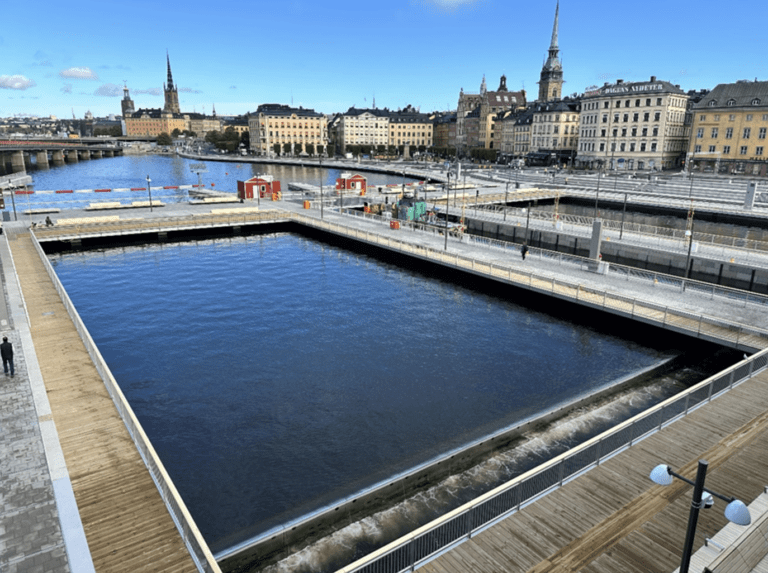
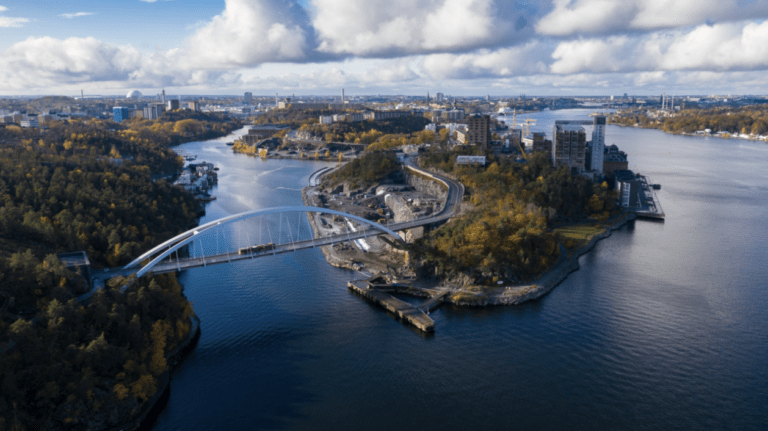
In the picture: Slussen, Vattentorget. Photo: Olivia Laidwa Collin.

Stockholm was one of the first cities to receive the EU's Mission Label for its climate work, and with this in mind, the city continues to work for the transition by connecting, strengthening and further developing existing cooperation structures. Together with the city's stakeholders and citizens, they are investing in increased electrification and more efficient transport, electrified construction, carbon capture and storage, reduced plastic use and increased sorting, and not least an environmental zone in the city - which is also part of the system demonstrator STOLT.

Citizens take center stage in Gothenburg's transition efforts

Pictured: A kind of mini-Gothenburg has developed recommendations on participation in the city's environmental and climate transition. Photo: Salomon Abresparr.

In Gothenburg, there is a strong focus on developing the city's ability to create and utilize citizen engagement in the environmental and climate transition, and in the spring of 2024, the city conducted a so-called citizens' council, where 30 people were given the opportunity to contribute thoughts and suggestions on how the city can engage and involve residents in transforming society for the environment and climate. Gothenburg is also working with a broad toolbox to create a more sustainable and efficient mobility system that will benefit citizens, including efforts for walking and cycling, trams, electrified buses, micromobility and trains. Mobility is a major issue for the city, but it is also working on climate-neutral construction, circular economy, farming, green infrastructure and nature-based solutions, and much more.

Järfälla has high ambitions, clear methods and one of Sweden's largest urban development projects

In Järfälla, the expansion of Barkarbystaden is underway - one of Sweden's largest urban development projects. To reduce emissions from construction transport, a logistics solution has been procured, with the aim of coordinating and optimizing resources for the thousands of construction transports that need to get in and out. The municipality is also working on an internal reuse system, where furniture and equipment within the municipal organization are reused. Not only that, Järfälla has several initiatives in a portfolio for the transition, including a strategy for sustainable urban development, circular construction, sustainable transport and positive energy districts (PED). In Järfälla, they build, furnish and plan for the future!

48 cities link arms in global climate transition

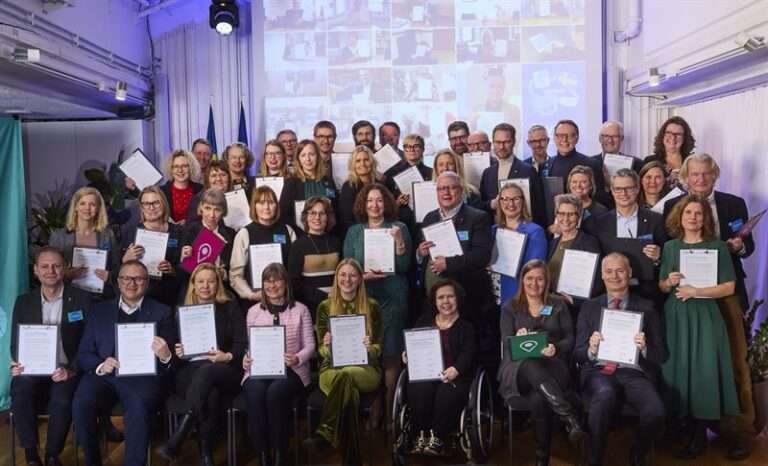
48 Swedish municipalities sign Climate City Contract 2030 and Declarations of Intent during European Viable Cities Day 2024. Photographer: Fredrik Persson.

48 Swedish municipalities, representing more than half of Sweden's population, are now joining forces for the climate transition from local to global level. During the European Viable Cities Day, the highest political leadership from the municipalities, directors general from government agencies and other Swedish and international key actors gather to strengthen the mobilization for the climate across national borders.

Nacka steps up climate action - now and for the future

New and ambitious climate and environmental goals are being developed in Nacka's new climate and environmental program. The municipality is working on initiatives in several areas, from mobility and urban planning to organization and procurement. Among other things, the municipality has invited to a land allocation competition focusing on innovative solutions for minimized climate impact throughout the life cycle, free lending at libraries of different types of meters for energy and climate advice, and offering a recycling market for private individuals. There are thus several initiatives underway in Nacka municipality for climate change adaptation, of varying scope and scale, and there is active follow-up to ensure that the right things are being done and done right.

48 municipalities join forces for the climate

48 of Sweden's 290 municipalities are joining forces to tackle the climate crisis. It is now clear which cities, together with Viable Cities and six government agencies , will join forces in the next phase for climate-neutral and sustainable cities. This is also part of a growing global mobilization for climate transition in cities, where the EU is taking the lead and Swedish cities are pioneers.

Mobilization, partnership and social innovation central to Umeå's transition

In the picture: Construction Recycling Festival with Hedlundaskolan.

A central strategy in Umeå's work is to mobilize and strengthen partnerships and collaboration between partners, based on the Umeå Climate Roadmap's focus areas. Over 60 partners are part of Umeå's climate roadmap and collaborate and learn from each other to strengthen local climate work. With the municipality at the forefront, Umeå has developed a handbook on how to lead an effective climate transition, started an economic association to increase knowledge for circular construction and establish Byggåterbruket, and organized a construction recycling festival for students and staff.

Citizen involvement, collaboration and board games - how Mariestad works

Pictured: The Mariestad Transition Team proudly showing off the Mariestad Climate Game.

Mariestad has been working on innovative green solutions for almost ten years, and the Climate Neutral Mariestad 2030 mission brings together everyone working for the climate in Mariestad - business, individuals and other actors - in Mariestad's transition arena. Together, they work for a climate-neutral association life, sustainable passenger transport to and from workplaces, sustainable construction, hydrogen as an energy source and board games as a tool.

Enköping is investing in multi-level transition arenas and targeted efforts

Pictured: Onboarding of the Climate Roadmap in Enköping.

By integrating sustainability issues into its core activities, Enköping Municipality is acting proactively in the climate transition, and the municipality is investing in creating a culture where sustainability permeates both the municipal organization and the city. With tools such as a carbon budget and in-depth climate knowledge, the municipality works, among other things, with the role and potential of small businesses, urban planning where sustainability goals are to be reflected, reduced energy consumption in public premises using the EnOff model and influencing attitudes, behaviors for sustainable travel, and much more.
Borås tests climate council teams and a sustainable SM week

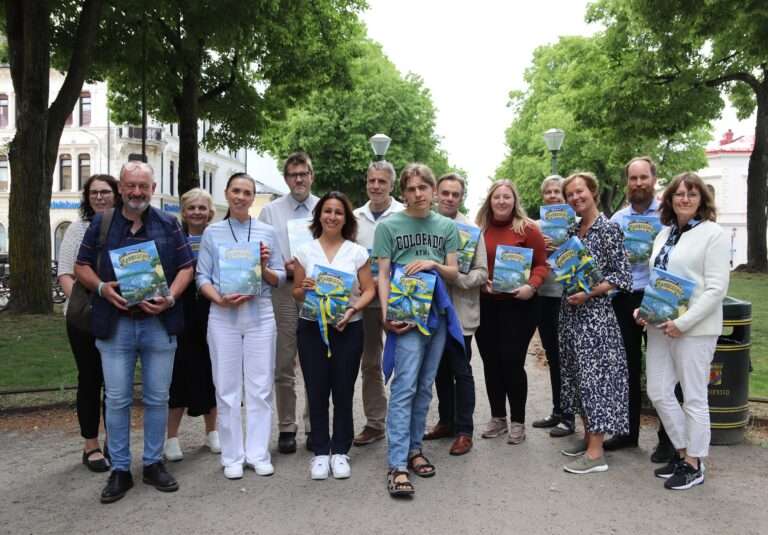
Hackathon on sustainable construction with students in Borås. Photo: Science Park Borås.

Borås aims to be fossil-free by 2030, and with that goal in mind, the municipality is taking overall responsibility as a cog in the transition. Together with companies, organizations and citizens, the whole of Borås is mobilizing in the true spirit of "knalle". They are working with green frameworks for financing, sustainability roadmaps for events, hackathons, citizen involvement, open dialogues and much much more...

Electric aircraft, heated streets and procurement for development in Skellefteå

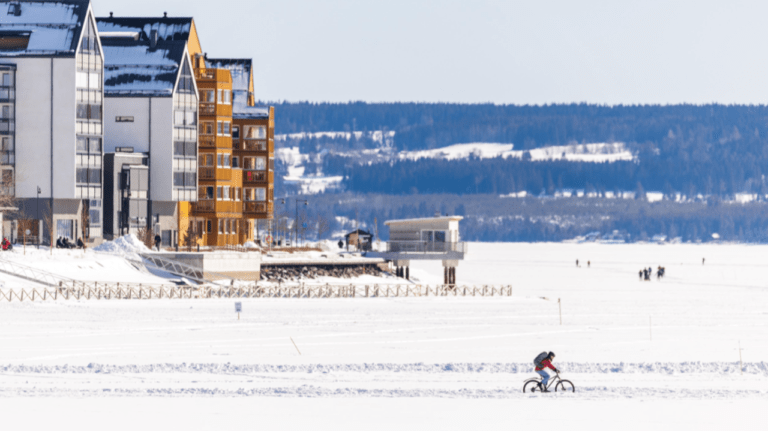
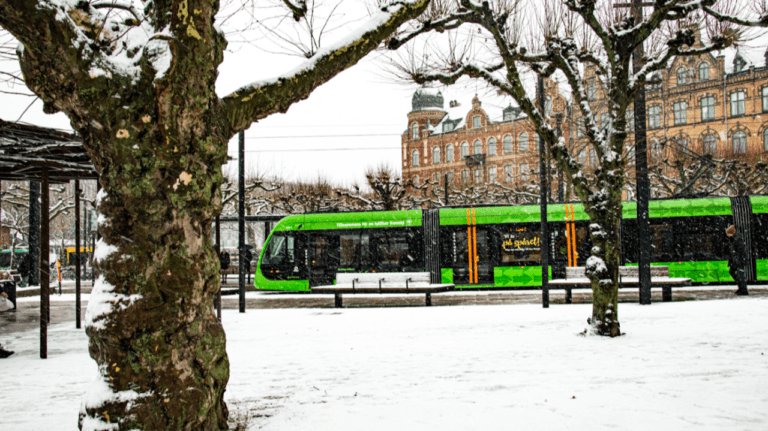
In the picture: A wintry Skellefteå.

The transition in Skellefteå focuses on sustainable mobility, sustainable construction and sustainable industry. By mobilizing the whole community, they are working to increase biodiversity by creating environments that benefit local species, redesign the city's traffic flows to promote sustainable transport, bring together actors from different sectors to explore how public procurement can serve as a tool to reduce climate emissions, reduce the need for new energy sources by heating streets and buildings with waste heat... and much much more!

Clear focus areas and goal-oriented initiatives - how Kristianstad works

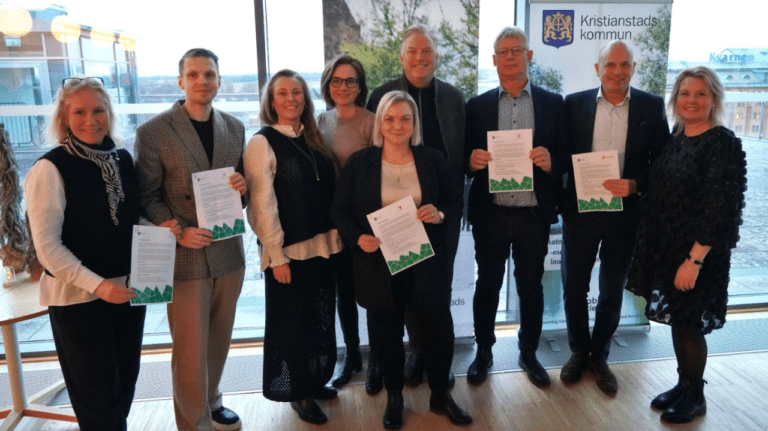
Kristianstad - a city in Skåne with a strong focus on the transition of the food system, energy, mobility, the construction industry and, not least, the rewetting of peatlands in the Kristianstads Vattenrike Biosphere Reserve. Kristianstad is working with local actors to achieve a climate-neutral, sustainable and resilient food system in Kristianstad, has recently adopted a sustainable development strategy that is followed up annually through a progress report, is mobilizing, together with local actors, for increased energy production, reliable electricity distribution and efficient energy use, and is developing its methodology for business-oriented climate investment plans.

Uppsala has a climate budget, climate requirements and a football pitch that could become a swimming pool

In the picture: Uppsala Climate Protocol is Uppsala's transition arena. The picture was taken at the network's 2024 results conference.

In Uppsala, the focus in the coming years will be on improving energy and power efficiency and increasing the share of renewable electricity, setting high climate requirements in land allocation competitions and procurements, and investing in sustainable travel through tramways, traffic diversions, new cycle paths and charging infrastructure. The new football pitch at Fålhagens IP can also become a reservoir in the event of torrential rain, the municipality plants hundreds of new trees every year, and the municipality has produced documentation and reports on various risks that may arise due to climate change, as support for property owners and construction companies. The Uppsala Climate Protocol, which has existed since 2010, brings together companies, public sector organizations, universities and associations that want to make concrete progress towards a climate-adapted Uppsala.
In Växjö, creative young people are involved and knowledge dissemination is a major focus

In the picture: Parts of Växjö's transition team recording a podcast on sustainable consumption. Matina Rosenberg (Växjö municipality), Ingela Stewén (Växjö Linnaeus Science Park), Anders Lundgren (SSAM) and Henrik Johansson (Växjö municipality). Photo Anna Bengtsson.

Växjö municipality aims to be both fossil fuel free and climate neutral by 2030. Therefore, a special focus in the transition is on a sustainable transport system, but Växjö also works with energy-smart housing, engaging local companies, and recycling of building materials. And not least, they work with young people at upper secondary school level, who choose a challenge in the climate transition, develop proposals for initiatives that contribute to solving the challenge, and then exhibit their work at Linnaeus University.

EU Mission Label to three Swedish cities

Viable Cities International cooperation

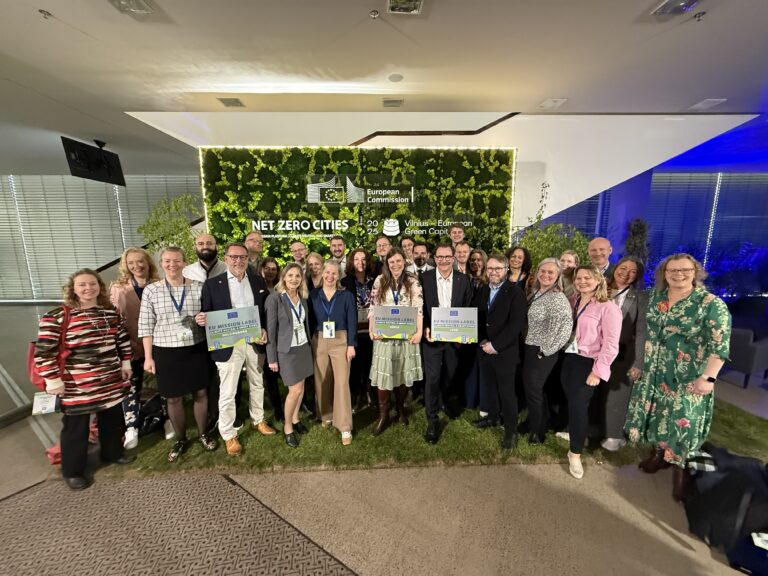
Today, 20 more cities were awarded the EU Mission Label - a confirmation from the EU's 100 climate-neutral cities by 2030 (Cities Mission) that the city's plans for the local transition journey are ambitious and on the right track - including three Swedish ones: Gävle, Gothenburg and Umeå.

Linköping sets up climate council, hosts dragon's nest and launches smart map

Pictured: Quality of life in the Vallastaden district, Linköping.

Linköping tells us, among other things, about the climate investment plan for transport they developed together with Linköping University, how they developed a model for category management and worked on an environmental commuting analysis, that they allocated funds for test bed checks and launched a smart map where you can rent, share, exchange, borrow, repair and buy reused. Read also about the five priority areas Linköping is focusing on and the initiatives, networks and project groups that are bubbling with commitment!

Malmö works horizontally and internationally

Malmö says it will become climate neutral by 2030 and is one of the European Commission's selected pioneer cities to lead the transition. At the heart of Malmö's approach is a new horizontal approach - Climate Transition Malmö - focusing on joint roadmaps in seven priority areas, where strong action can have a big impact for Malmö and the planet. Local work for a global mission!

Focus on milestones and targets in Örebro's transition work

In Örebro, the municipal council recently adopted the Örebro municipal climate strategy after revision during the year. The targets in each of the six focus areas in the strategy are aimed at the municipal group, but the efforts relate to both the municipal group and the geographical area. The municipality has also set specific goals that they are working on together with other actors and the focus going forward is to implement the climate strategy's new working methods and implement prioritized activities.

A common voice for European cities and platforms

Swedish and Spanish cities with a joint Development Statement: Development Declaration for the Cities Mission: Upscaling the EU Cities Mission - European cities and platforms joining hands

The fourteen Swedish and Spanish cities among 112 European Cities Mission cities have created a joint declaration for the EU Cities Mission - Development Declaration for the Cities Mission: Upscaling the EU Cities Mission - European cities and platforms joining hands. The aim is to strengthen and develop the work of the Mission, accelerate the pace of the transition and support cities in their important work towards climate neutrality by 2030.

Debate: "The government should follow the example of Uppsala municipality"

In the midst of a burning climate crisis, the Swedish government is presenting a climate action plan that falls far short of what is needed to limit global warming to 1.5 degrees - the target agreed by world leaders in Paris in 2015. The Swedish government should do more to support the climate transition in the country's municipalities and support leading Swedish cities and municipalities.

Rallying for climate-neutral mobility in Stockholm and Lund

Two school children, photo: Johnér

The City of Stockholm and the Municipality of Lund are mobilizing actors in an innovative initiative to accelerate the transition to climate-neutral cities. The cities are placing particular focus on transport and mobility. They are each receiving SEK 20 million from the Swedish Energy Agency and Vinnova under the Viable Cities innovation program.

Spain and Sweden joining hands to scale the EU Cities Mission

The delivery of the Swedish input to a joint Development Statement at the 1st Swedish Cities Mission Forum. Photography: Malin Grönborg

The EU Cities Mission to deliver 100 climate-neutral and smart cities by 2030 include seven Swedish cities; Gothenburg, Gävle, Helsingborg, Lund, Malmö, Stockholm and Umeå. The seven Swedish Mission Cities have formed a joint Development Statement, which solidifies the Swedish cities' support of the visions of the Spanish Mission Cities, as well as stresses the need for a common strategy on "scaling as the new normal" when working towards climate neutral and sustainable cities. The statement was presented at the 1st Swedish Cities Mission Forum in Umeå, Sweden, on May 29th 2024.

Climate Breakfast 38: "Follow-up research" - a new breed of transition research

Climate breakfast 38

In Sweden, several researchers have worked closely together with cities and national innovation actors to support them in steering sustainability transitions by contributing to learning from practice, increased reflexivity and helping to identify evidence about system change. This role got the name of 'följeforskare' (literal translation from Swedish is 'following' or 'companion' researcher). Together we will explore what makes "följeforskning" special in terms of benefits and challenges, why it is especially relevant in accelerating the transition to climate neutral cities, and what role it can play for both cities and national support platforms.
Four meter high climate stacks take place in Karlstad

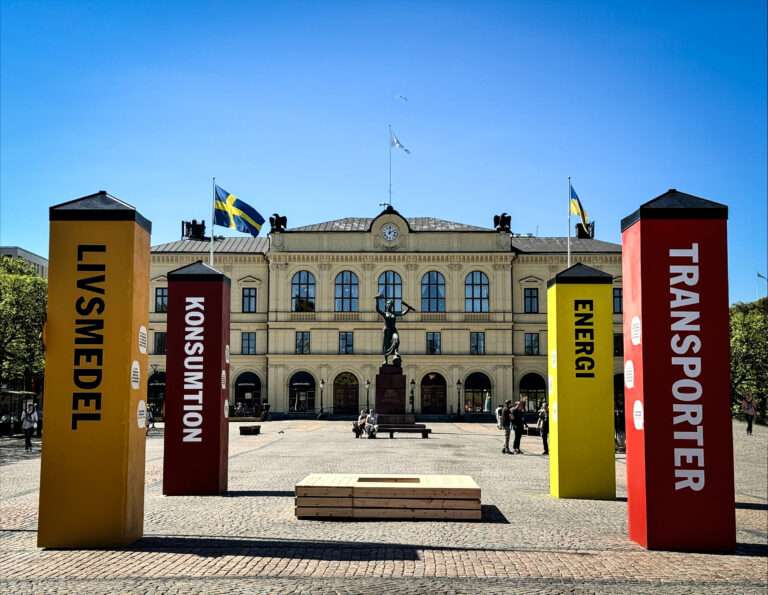
Four meter high stacks on Stora torget in Karlstad, illustrating the climate impact of Karlstad residents. Photo: Karlstad municipality.

Stacks are appearing all around Karlstad - on benches, on stairs and not least on Stora torget, where they are four meters high! The bars represent Karlstad residents' climate emissions in the areas of consumption, transportation, food and energy. The bars will reappear every year until 2030 with new updated information on climate emissions. 

Norwegian mobilization for the climate neutral cities mission

Lars Johansson on stage during Nordic Edge Expo in Stavanger. Pictured (from left): Eline Vigre (Advisor, Mission Cities Stavanger Kommune), Pieter Faber (Head of EU Office cities Northern Netherlands), Rolf Johnsen (Head of Climate & Energy, Aarhus Municipality, Denmark), and Lars Johansson (Coordinator for Climate Neutral Cities 2030, Viable Cities). Photo: Nordic Edge

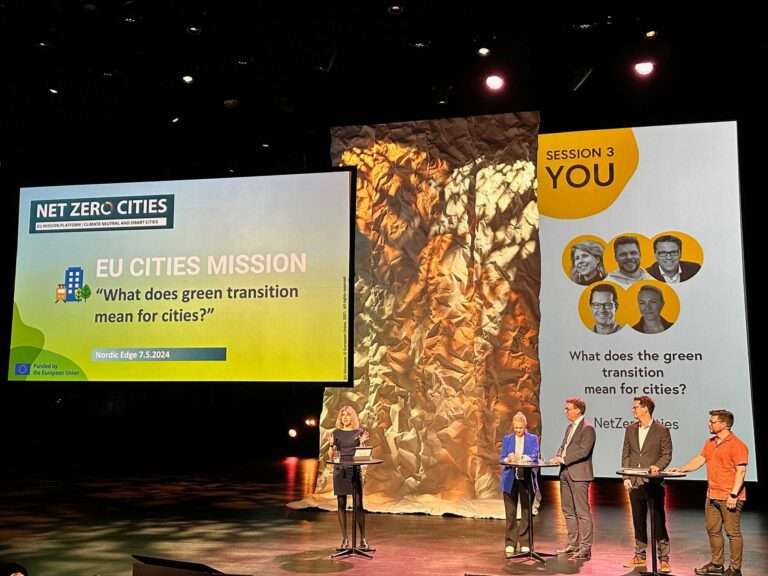
The mobilization around the Mission on Climate Neutral Cities is a movement across Europe. This week, Viable Cities has participated in talks and workshops in connection with the Nordic Edge Expo in Stavanger and contributed with perspectives on Multilevel Governance and co-benifits in the transition, exemplified by ROI calculations on the climate transition.

Climate breakfast 37: Climate investments and climate investment plans

Climate breakfast #36

Climate transition investments can create both business opportunities and a more sustainable city. Research shows that climate investments can generate significant benefits, both direct economic gains and added value such as jobs, cleaner air and better health. During this Climate Breakfast, we dive into what it means to make climate investments and how climate investment plans take shape.

The Social Compass: a visualization of Kalmar municipality's socio-economic landscape

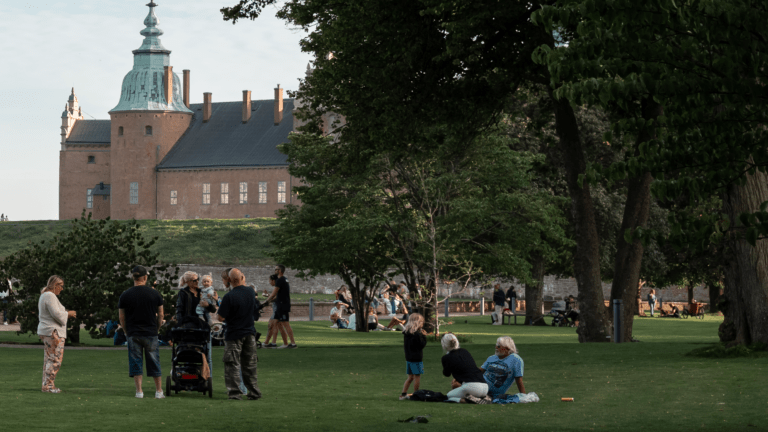
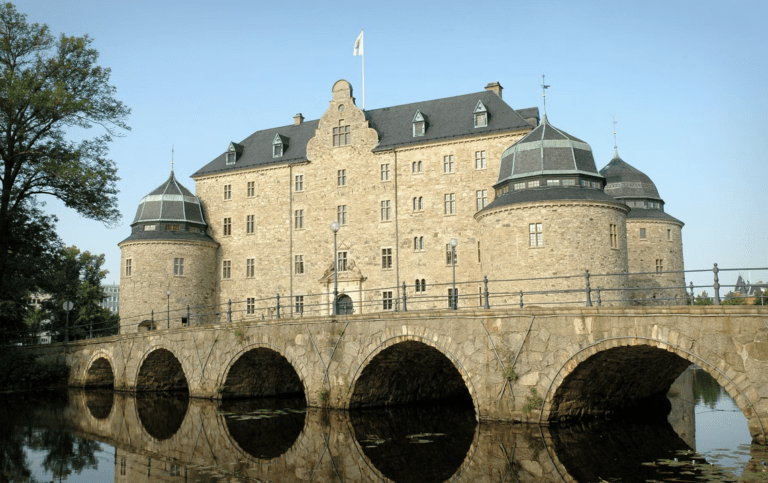
Kalmar Castle. Image from Kalmar municipality: https://www.mynewsdesk.com/se/kalmar_kommun/images/dsc04892-2848361

A prosperous municipality with growing pains. This is the socio-economic situation in Kalmar. This conclusion can be drawn from an analysis of the recently developed Social Compass for Kalmar. The focus is on the inhabitants - and their characteristics and conditions linked to where they live in the municipality. How many people go to work? How much do they earn? What percentage are born outside the EU and where do pensioners and families with children live?

How do we accelerate the contribution of higher education institutions to the climate transition?

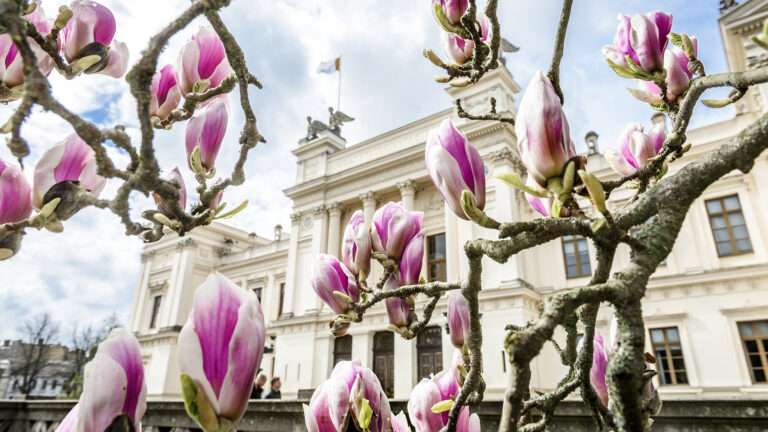
Image from Lund University of the University House with magnolias.

Many higher education institutions are already actively contributing to climate transition of cities, but an acceleration is needed! This applies not least to working with students as agents of change as part of both education and research. Here the cities can contribute with relevant questions, recommendations and test environments. How is your institution doing? Use the checklist!

Energy communities - this is where it happens

municipal energy communities

A ketchup effect that goes on a bit in secret. This is how one could describe what is currently happening in local energy landscapes around Sweden and the rest of Europe. Energy communities are here to stay and their potential is great. The question is what the role of municipalities will be in the future.

Room for more Viable Cities pioneer cities

Viable Cities Working together towards climate neutral cities

The door will soon open for more Swedish cities to mobilize for the mission of climate-neutral cities by 2030. In March, Viable Cities will open a new call to further accelerate the local transition journey and scale up the transition.

Repeat favorite: Filling the climate gap - part 2

Repeat favorite: Filling the climate gap - part 2

The Hammarby Sjöstad district in Stockholm aims to halve its climate impact by 2030 through a citizen-driven process developed by Sharing Cities Sweden in Stockholm, in collaboration with local stakeholders. But what must Sjöstaden's citizens and entrepreneurs do to realize this goal? Here, Örjan Svane, Professor Emeritus KTH, continues to discuss this.

Theme of carbon sinks in Malmö City

People walking and hanging out at Ribersborg beach during sunset. Västra Hamnen and Turning Torso are visible in the background. Photo: Werner Nystrand

The City of Malmö aims to be climate neutral by 2030 and here we identified opportunities to create large biogenic carbon sinks to compensate for the emissions that cannot be avoided. The biggest impact would be a shift to renewable building materials when meeting the need for new construction. The second largest area for rapid and highly persistent carbon sinks is the large-scale use of biochar in the municipality's agriculture.