
Green travel plans are an approach in which stakeholders such as municipalities, employers, property owners, and community organizations work together to influence how people travel in their daily lives. Through concrete measures, it becomes easier to walk, cycle, use public transportation, or carpool—which reduces emissions, improves air quality, and makes cities and workplaces more accessible and attractive. The work is based on how people actually travel today and what obstacles exist in everyday life.
The measures are developed in collaboration with the stakeholders who can influence the situation and are implemented where people live, work, and go about their daily lives. The measures may include:
Soft measures: communication, trial offers, carpooling, nudging, and incentives such as allowing work time on the train or wellness time for cycling and walking.
Hard measures: bicycle parking facilities, infrastructure changes such as speed bumps, bike lanes, adjustments to public transportation, or parking regulations.
In existing settings, the scope for renovation may be limited and can also involve significant costs, but there are many examples of simple measures that can be implemented in existing settings. Soft measures are an effective way to bring about behavioral change nonetheless.
In travel surveys, many car commuters point out that their daily routines dictate how they travel. They have to drop off and pick up their children from school and activities, and run errands along the way.
This means that solutions for sustainable travel need to encompass all aspects of residents’ daily lives, not just the commute to work.
Developing solutions that enable children to get to and from school and other activities on their own, without being driven by their parents, is therefore a key issue. This fosters children’s independence and can make parents’ daily lives less stressful.
The old saying “A chain is only as strong as its weakest link” also holds true when it comes to sustainable everyday travel. Sustainable travel options need to be accessible and convenient every step of the way in order to compete with driving one’s own car.
Minor shortcomings, such as a slightly too-long walk between the bus stop and the workplace, can break the chain. This means that multiple stakeholders need to work together to ensure that all the necessary conditions are in place.
Workplaces are an important part of people’s daily lives and can therefore play a major role in how we travel. Employers can encourage more people to choose sustainable travel options by, for example, providing bike parking, carpooling, and flexible work arrangements—or by having leadership and managers lead by example and start traveling more sustainably themselves.
Municipalities are almost always the largest local employer, so starting with Green Travel Plans for their own employees is a good option, as it reaches a large portion of the residents. It also lends credibility when the municipality later seeks to involve other stakeholders in the work on Green Travel Plans.

Green travel plans are most effective when they start where you are. How do people travel today? What makes it difficult to choose sustainable options? Where are the challenges with accessibility and congestion?
And at the same time, what changes can be implemented right now?
No single entity can transform travel on its own. When municipalities, business other local stakeholders take responsibility together, the measures become both more effective and easier to implement.
"Five Steps to Green Travel Plans" is a streamlined process designed to help you get started quickly. It provides a shared vision, clear guidelines, and a structure that stands the test of time, so that sustainable travel can become the new normal, step by step.
The first step in a green roadmap is to establish a solid foundation and structure for the initiative, generate commitment, and secure a mandate for long-term work. This means that the effort must be firmly anchored both within the organization leading the initiative and within the collaborative network that needs to be built. The network may need to be adjusted over time, expanded, or adapted as conditions change. Although this phase often takes time, it is crucial to the success of the green roadmap.
To secure the mandate to work on green travel plans in a municipality, you need to gain support early on from the right management team—the one that can make decisions regarding implementation and resources. Then spread the work throughout the organization, for example by involving environmental coordinators or environmental representatives in various departments. Build an external network of stakeholders based on your focus. In a workplace area, this might include employers, property owners, parking companies, and public transit. Around a school, it might involve urban planning, traffic, climate/environment, and education, as well as the school’s administration and staff. The police, NTF, Cykelfrämjandet, school bus services, and public transit can also be involved. Appoint a core group from among the stakeholders to drive the work forward, preferably with broad expertise, such as HR and communications.
To get people on board—whether in their role as decision-makers at an organization or as individuals choosing to change their daily travel habits—it is important to understand what matters most to them. Start by listening. An employer may be most interested in hearing that active mobility among employees leads to reduced sick leave and lower sick leave costs; an employee might think that flexibility combined with improved health is most important, while someone else is most interested in avoiding traffic jams during rush hour. Remember that the same individual often has multiple roles, and their preferences are influenced by both their professional role and their personal values and priorities. Once you understand what is important, you can ensure that you discuss and provide examples of that benefit in greater detail, while presenting other benefits in a more summarized and general manner.
Here are a few tips on how to reach employers and capture their interest:
In the next step, you’ll conduct a baseline analysis together with stakeholders to understand travel patterns in the selected area and identify measures that can change travel habits. Travel patterns and commuting habits are often mapped through a travel survey (RVU) or other baseline assessments. A good survey captures both how people currently get from A to B and what they themselves believe would facilitate more sustainable travel.
In a municipality, the travel survey can include all employees, ideally broken down by department or workplace, since needs and circumstances can vary greatly between different operations. The same applies to large companies.
If the initiative involves a school, you need to assess the traffic situation around the school—especially in the morning—and how the commute to school is perceived. Start simple, for example with a show of hands in the classrooms: “How did you get to school today?” An exercise where students—and preferably parents or guardians—mark school routes and unsafe spots on a map of the local area can provide important information. The survey can be supplemented with site visits, drone footage, and traffic measurements in the physical environment.
Once the current situation is clear, the next step is to build consensus among the collaborating stakeholders. This can be achieved through an initial workshop followed by coaching sessions or similar activities. Based on the results of the travel behavior survey, the stakeholders jointly develop a preliminary list of possible measures. From this, a new, shorter list is created of the measures deemed to be most effective and, at the same time, feasible. Each stakeholder then commits to implementing a number of measures themselves and to collaborating on them.
The stakeholders collaborating on Green Travel Plans need to meet more frequently during the period when measures are being selected and less frequently once implementation is underway. The selection of measures is guided by several factors: the expected impact on travel, how easy the measure is to implement, and its cost. The benefit of multiple stakeholders working together is that more gets done and the overall result is better than if each had acted on their own. The measures can target the entire organization or parts of it, such as individual departments or workplaces. What kinds of measures might these be? Here are a few examples:
In the school environment, the focus is often on improving children’s routes to school through dialogue with students and guardians. This may involve providing information or supporting the formation of walking or biking school buses. It may also involve physical measures such as speed reduction, creating bike parking or new crosswalks, making streets one-way, or creating designated drop-off and pick-up zones at the school.
Don’t forget business travel! How employees of organizations travel for work affects both norms and reputation. A company car can be replaced with a company bicycle, and air travel with time spent commuting by train. With “climate swapping”—an internal incentive—you can take concrete steps to accelerate the green transition. This involves imposing a fee on fossil-fuel-based transportation, which is then used to improve conditions for sustainable transportation, such as purchasing company bicycles. At organizations that have implemented climate exchange, both climate emissions and business travel costs decreased by 10–50 percent—even before the pandemic.
Prioritizing actions is always done in collaboration with those who have the authority to make decisions and carry them out. It is better to start with a few measures and implement them than to choose too many and not get any of them done. Once the list of measures is finalized, it needs to be endorsed, scheduled, and budgeted, and then packaged into clear messages that are disseminated to the right target groups. That is the action plan—the green roadmap.
Now it’s time to move from planning to action and implement the measures you’ve agreed upon. Once the green travel plan has been approved, the real work begins: initiatives must be launched, responsibilities assigned, and more people may need to be involved and brought on board as implementation progresses. Now the green travel plan must be communicated to inspire and engage all travelers to try more sustainable travel options and establish new habits—without them, there will be no behavioral change and no improved results.
Be sure to highlight progress as the process unfolds. By collecting and sharing best practices, you create motivation and make it easier to stay on track. Be clear about goals and objectives, inform those who may have questions about the initiative, and be open to feedback. Make sure to keep the stakeholder group active and meet regularly to strengthen collaboration and celebrate milestones and deliverables together.
Make the transition to trying something new as easy and enjoyable as possible. Offer trial options, such as subsidizing public transportation, providing bike-sharing and bike repair services, or organizing carpool days. Run campaigns and contests to generate interest and encourage participation. Feel free to leverage the power of teamwork to get more people involved. Let groups within the workplace collect points and compete for the honor of being the group that travels most sustainably. However, establishing a new habit doesn’t happen overnight, so don’t make trial periods, campaigns, and competitions too short.
Share stories about people who have chosen to try more sustainable modes of travel and are happy with them, to inspire others to take the plunge and give it a try. Encourage them to tell their friends and acquaintances—as many people as possible.
Many people are open to change, but at the same time believe that others are not. They may feel that there’s no point in changing their habits because one person alone can’t make a difference. That’s why the social context is so important—to show that there are many of us who want to, can, and are making changes together.
A study of 130,000 people in 120 countries shows that about 90 percent want to see and be part of the climate transition—a figure very similar to that in Sweden. The same survey also shows that people expect and want politicians to do more.
Green travel plans are a way to bring about change together, through the individual choices we make in our daily lives.
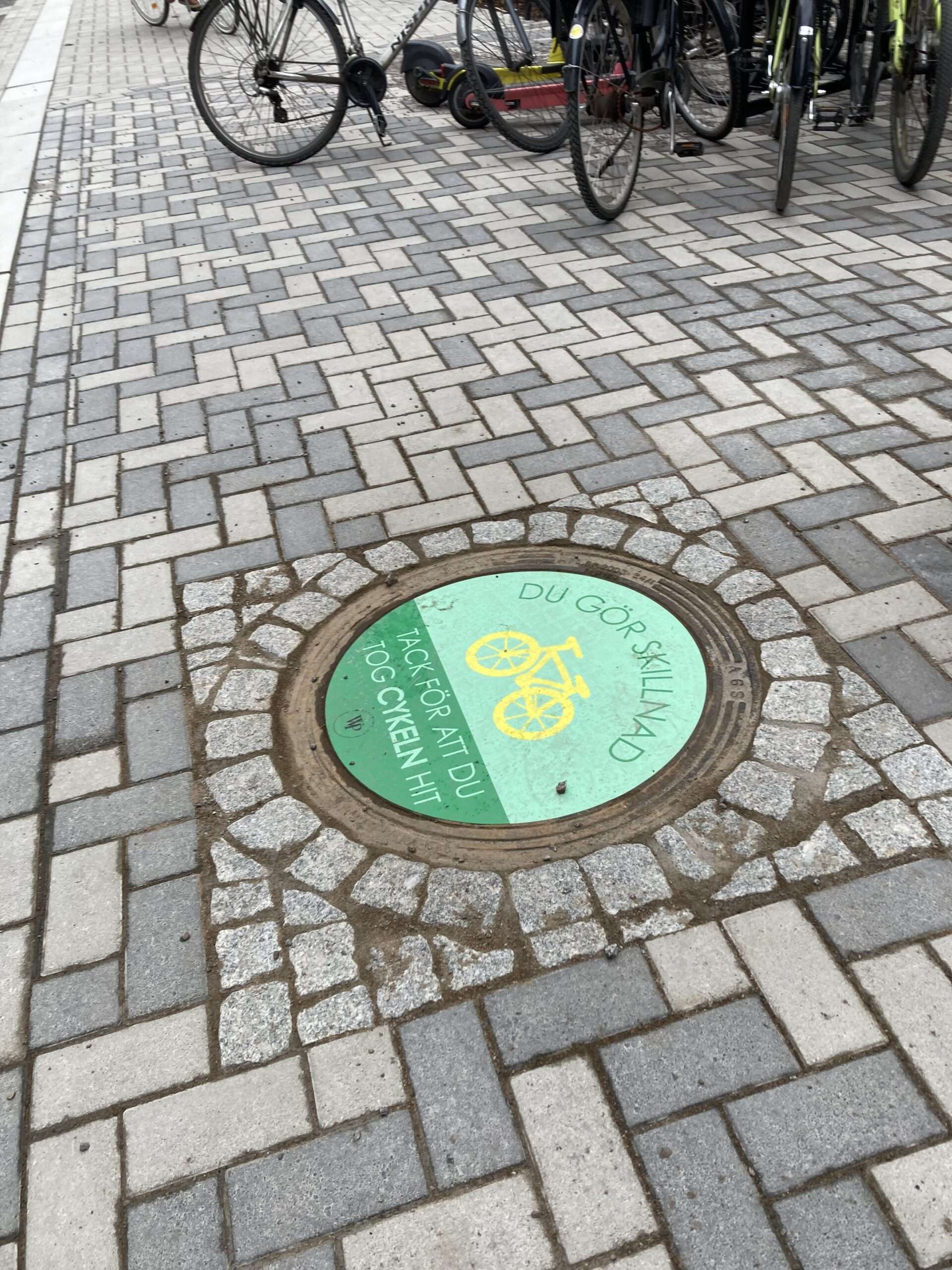
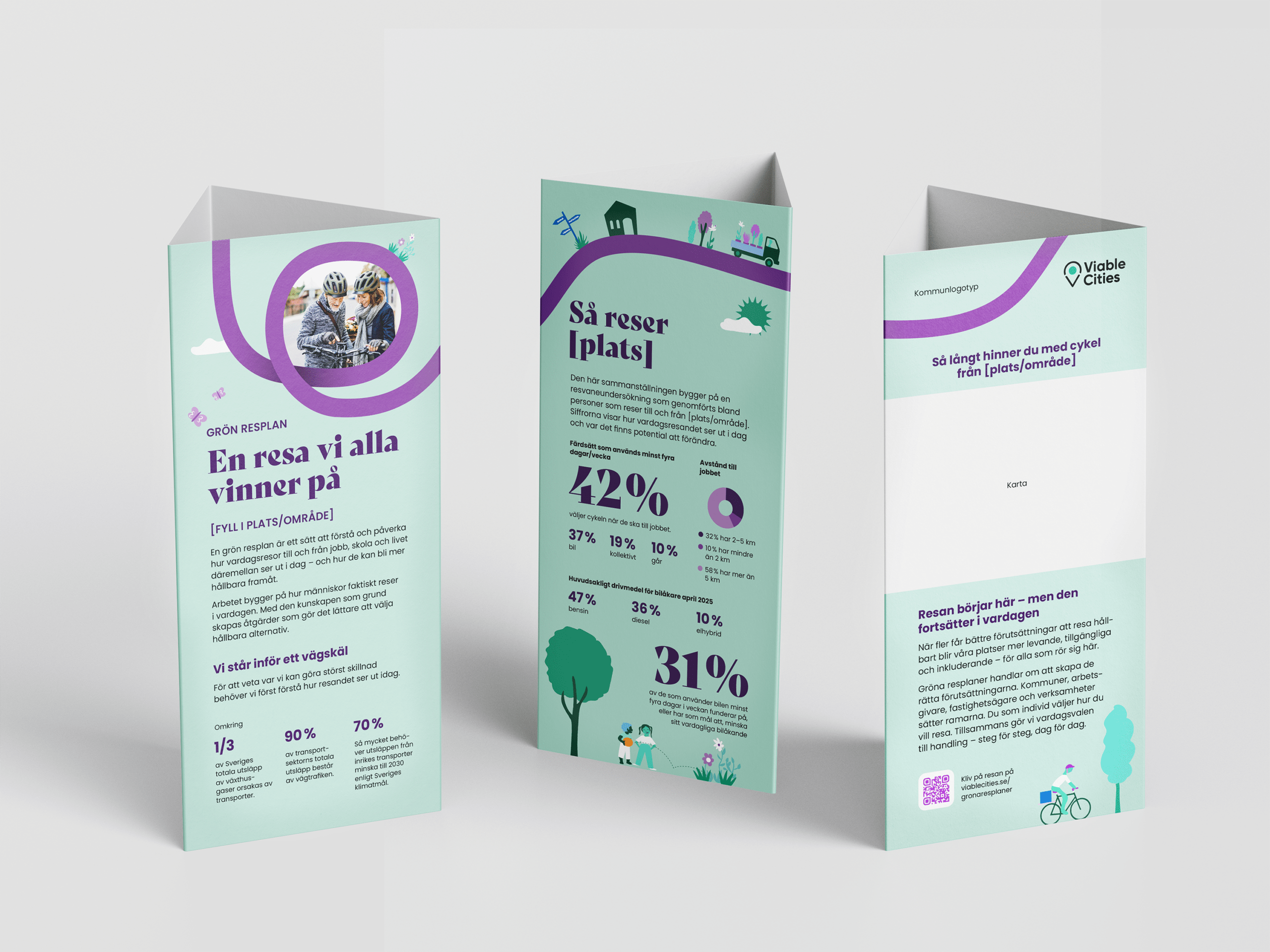
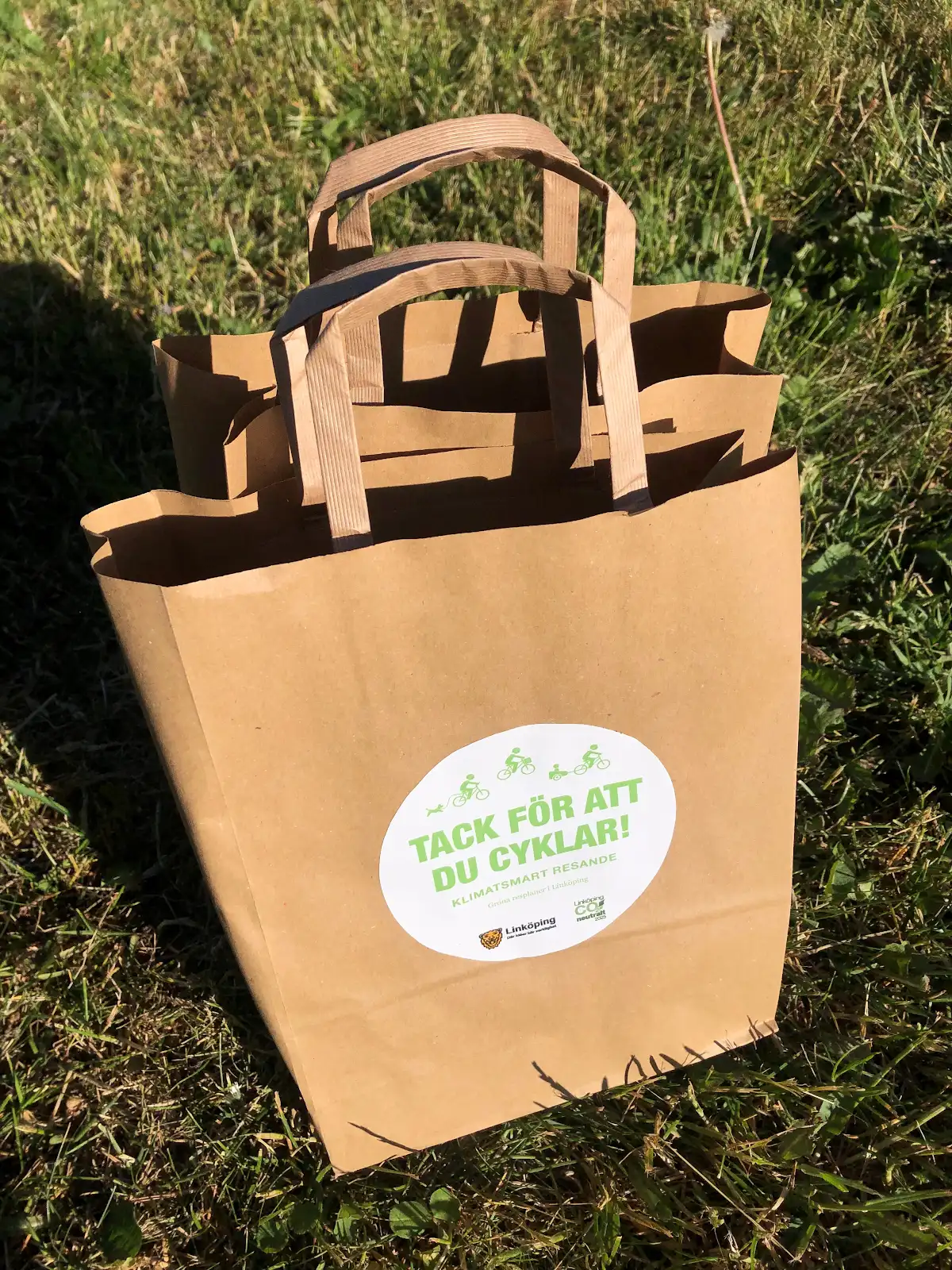
For the green travel plan to remain effective over time, you need to be able to demonstrate what it has actually achieved. What improvements have you seen in travel habits, accessibility, safety, or the work environment? By tracking the effects and changes in behavior—for example, by repeating the travel habits survey—you’ll gain insights that not only make the results visible but also help you adjust your strategies for the next cycle.
Since measures are implemented at different levels, they can also vary in how easy they are to measure: a communication campaign may be difficult to link directly to changes in travel behavior, while a trial initiative can be tracked by seeing how many people continue to cycle after borrowing an e-bike. Therefore, track both individual measures and overall travel patterns to get the full picture. A follow-up travel survey is often valuable, but don’t conduct it too frequently—wait about two years and carry it out at the same time of year as the first one to allow for comparison. Also evaluate the collaboration within the stakeholder network. At the same time, it’s important to identify progress early on, especially in school settings where students change quickly. There, you can supplement the evaluation with discussions about the traffic situation, follow-up mapping exercises on safety, a show of hands in classes, new measurements of the physical environment, and a simple report with perceived results from students, guardians, and staff.
So it’s time to look ahead: What’s the next step? How will you keep the plan alive? How will work become the new normal?
Many stakeholders in society influence how we travel in our daily lives. Which ones need to be involved in your specific work depends on the focus area you choose: a workplace, an organization, a work area, or a school.
Officials in the fields of urban planning, transportation, climate, the environment, business communications influence how the city is planned and how the transportation system is developed.
Many daily trips are made to preschools, schools, libraries, sports facilities, and other municipal services.
In many municipalities, the local government is the largest employer. Influencing the travel habits of municipal employees can therefore have a significant impact.
Can influence both the conditions and incentives for how their employees travel.
Can create better opportunities for sustainable travel for tenants and customers, for example through bike parking or mobility solutions.
Offers mobility services such as public transportation, car-sharing, and bike-sharing.
Community organizations run programs that many residents—both children and adults—attend several times a week.
For example, parking companies, the police, and nonprofit organizations such as NTF or Cykelfrämjandet.

The summary of the “Green Travel Plans” approach presented here is the result of a collaboration in 2025 between Viable Cities, SKR (Swedish Association of Local Authorities and Regions), the City of Linköping, and a dozen Swedish municipalities as part of the Climate-Neutral Cities 2030 initiative, with the aim of facilitating, deepening knowledge of, and accelerating and broadening the implementation of the approach in the municipalities. The work was carried out in 2025 with funding from Vinnova as a feasibility study to prototype an accelerator designed to support the implementation, scaling, and dissemination of Green Travel Plans and other successful initiatives for climate-neutral and sustainable cities at the local level.
The City of Linköping, which has been working with Green Travel Plans since 2013, is a pioneer among municipalities and has inspired a number of other municipalities to launch similar initiatives, not least Lund and Östersund. Twelve cities at various stages of implementing Green Travel Plans have participated in the work and shared experiences and insights, concrete tools, methods, and documents with one another and with the project. These have been collected and compiled to inspire and guide other cities and their local stakeholders in their joint efforts to implement and further develop Green Travel Plans. Implementing green travel plans contributes to reducing climate emissions and a range of other positive effects, such as smoother daily travel, better accessibility, improved public health, inclusion, and gender equality. Evaluations of travel to areas with green travel plans show, among other things, reduced congestion and lower climate emissions over time. The travel plans have also created a clear forum for dialogue on sustainable transportation with employees, employers, and property owners.
To support the implementation, dissemination, and scaling of new working methods, knowledge resources such as guides, descriptions, and tools are needed. A key insight is that the value of these resources increases significantly when combined with opportunities to meet, discuss, and learn together with others who are working to implement similar working methods.



Viable Cities is a strategic innovation program with the mission of achieving climate-neutral cities by 2030, ensuring a good quality of life for all within the planet’s limits. The program is funded by the Swedish Energy Agency, Vinnova and Formas and coordinated by KTH.

Copyright © 2024 Viable Cities | Website Policy | Accessibility